

The HMRC mileage claim is a crucial aspect of tax relief for individuals and businesses in the UK. It allows employees and self-employed individuals to reclaim expenses incurred while using their personal vehicles for business purposes. The primary aim of this system is to ensure that individuals are not financially burdened by the costs associated with using their vehicles for work-related travel.
The HMRC sets out specific guidelines and rates for mileage claims, which can vary depending on the type of vehicle used and the nature of the business travel. To qualify for a mileage claim, the journey must be directly related to business activities. This includes travel to meet clients, attend meetings, or conduct site visits.

However, it is essential to note that commuting from home to a regular workplace does not qualify for mileage claims. Understanding these nuances is vital for anyone looking to maximize their claims while remaining compliant with HMRC regulations. The process involves submitting a claim form detailing the miles traveled, the purpose of the journey, and any other relevant information that supports the claim.
Key Takeaways
- HMRC mileage claims require accurate understanding of allowable rates and rules.
- Maintaining detailed and precise records of business mileage is essential for valid claims.
- Clear distinction between business and personal mileage must be documented to avoid errors.
- Using the correct HMRC mileage rates ensures compliance and maximizes reimbursement.
- Leveraging technology and professional advice can simplify complex mileage claim processes.
Keeping Detailed Records of Business Mileage

Maintaining meticulous records of business mileage is fundamental for anyone looking to make a successful HMRC mileage claim. Accurate documentation not only supports the claim but also provides a clear audit trail in case of inquiries from HMRA well-organized logbook should include details such as the date of travel, starting and ending locations, purpose of the trip, and the total miles driven. This level of detail ensures that all aspects of the journey are accounted for and can be easily referenced if needed.
In addition to a traditional logbook, many individuals are now turning to digital solutions for tracking their mileage. Mobile applications designed specifically for mileage tracking can simplify this process significantly. These apps often allow users to input details on-the-go, automatically calculate distances using GPS technology, and even categorize trips as business or personal.
By leveraging technology, individuals can enhance their record-keeping practices, making it easier to compile necessary information when it comes time to submit a claim.
Differentiating between Business and Personal Mileage

One of the most critical aspects of claiming mileage is understanding the distinction between business and personal mileage. Business mileage refers to any travel undertaken for work-related purposes, while personal mileage encompasses all other travel not related to business activities. This differentiation is essential because only business-related mileage is eligible for reimbursement or tax relief under HMRC guidelines.
To accurately differentiate between these two categories, individuals should consider the purpose of each journey. For instance, a trip to meet a client or attend a conference qualifies as business mileage, whereas a drive to a restaurant with friends does not. Additionally, it is important to recognize that mixed-use trips—where both personal and business activities occur—require careful apportioning of mileage.
In such cases, only the portion of the trip that pertains to business can be claimed, necessitating precise record-keeping to ensure compliance with HMRC regulations.
Using the Correct Mileage Rates
When submitting a mileage claim, it is imperative to use the correct mileage rates set by HMRThese rates are designed to cover the costs associated with operating a vehicle, including fuel, maintenance, insurance, and depreciation. As of October 2023, HMRC has established specific rates for different types of vehicles, which can change annually based on economic factors and government policy. For example, the approved rates for cars are typically higher in the first 10,000 miles driven for business purposes compared to any additional miles thereafter.
This tiered structure acknowledges that fixed costs are more significant in lower mileages and helps ensure that individuals are fairly compensated for their business travel. It is essential for claimants to stay updated on these rates and apply them correctly when calculating their claims to avoid potential issues with HMRC.
Maximizing Mileage Claim for Company Cars
| Vehicle Type | First 10,000 miles | Above 10,000 miles | Notes |
|---|---|---|---|
| Car/Van | 45p per mile | 25p per mile | Standard HMRC approved rates for business mileage |
| Motorcycle | 24p per mile | N/A | Flat rate regardless of mileage |
| Bicycle | 20p per mile | N/A | Flat rate regardless of mileage |
For employees using company cars, maximizing mileage claims can be particularly advantageous. Company car users often have access to more favorable tax treatment under certain conditions, especially if they are required to use their vehicles for business purposes frequently. To optimize claims in this scenario, employees should ensure they are aware of their employer’s policies regarding mileage reimbursement and any specific requirements that must be met.
Additionally, understanding how company car tax works is crucial. Employees may be liable for tax on the benefit-in-kind (BIK) value of their company car based on its CO2 emissions and list price. However, if they can demonstrate that they are incurring significant business mileage, they may be able to negotiate better terms with their employer or even opt for a different vehicle that offers more favorable tax implications.
Keeping detailed records of both personal and business use will help in making informed decisions about vehicle usage and potential claims.
Claiming Mileage for Other Business Vehicles
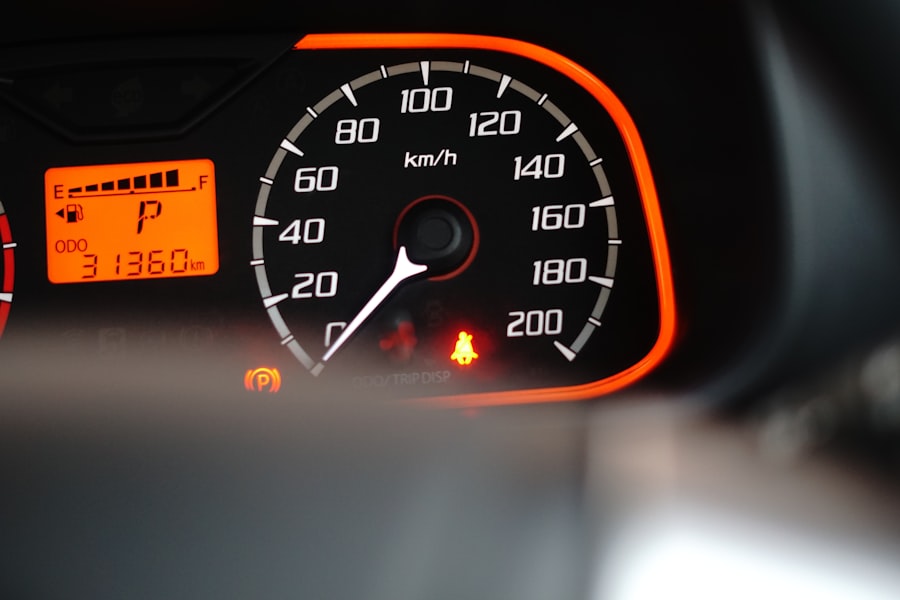
While many individuals focus on personal vehicles when considering mileage claims, it is equally important to understand how to claim mileage for other types of business vehicles. This includes vans, motorcycles, and even bicycles used for business purposes. Each type of vehicle may have different rates and regulations associated with them under HMRC guidelines.
For instance, van users can typically claim at a different rate than car users due to the nature of their vehicles and associated costs. Similarly, motorcycle users may also benefit from specific rates that reflect their unique operating expenses. Bicycles are often overlooked but can also be claimed under certain circumstances, particularly if they are used for business deliveries or client visits.
Understanding these nuances allows businesses and self-employed individuals to maximize their claims across various vehicle types effectively.
Utilizing Technology for Mileage Tracking
In today’s digital age, technology plays an increasingly vital role in simplifying the process of mileage tracking. Numerous applications are available that cater specifically to this need, offering features that streamline record-keeping and enhance accuracy. These apps often utilize GPS technology to automatically log trips, calculate distances traveled, and categorize journeys as either business or personal.
Moreover, many mileage tracking apps integrate seamlessly with accounting software, allowing users to generate reports quickly and efficiently when it comes time to submit claims. This integration not only saves time but also reduces the likelihood of errors that can occur when manually entering data into spreadsheets or logbooks. By adopting these technological solutions, individuals can ensure they maintain accurate records while also freeing up valuable time that can be better spent on core business activities.
Seeking Professional Advice for Complex Mileage Claims
Navigating the complexities of HMRC mileage claims can be challenging, particularly for those with unique circumstances or extensive travel requirements. In such cases, seeking professional advice from tax advisors or accountants who specialize in this area can prove invaluable. These professionals possess in-depth knowledge of current regulations and can provide tailored guidance based on individual situations.
For example, if an individual operates multiple vehicles or frequently travels internationally for business purposes, understanding how these factors impact mileage claims becomes crucial. A tax advisor can help clarify which expenses are eligible for reimbursement and how best to document them in compliance with HMRC guidelines. Additionally, they can assist in identifying potential tax relief opportunities that may not be immediately apparent to the average claimant.
Engaging with professionals ensures that individuals maximize their claims while minimizing the risk of errors or non-compliance with tax regulations.

