

The proliferation of remote work has fundamentally altered employment structures, enabling workers to complete professional duties from residential locations. This transition has generated new tax implications, specifically concerning deductible expenses for home-based work arrangements. The Internal Revenue Service (IRS) permits qualifying taxpayers to deduct certain home office expenses, thereby reducing their overall tax liability.
Home office tax deductions operate under specific IRS regulations that define eligible expenses and establish criteria for qualification. These deductions can include portions of mortgage interest, rent, utilities, insurance, and other home-related costs that directly support business activities. To qualify, taxpayers must meet the IRS requirement that the designated home office space is used regularly and exclusively for business purposes.

Two primary methods exist for calculating home office deductions: the simplified method and the actual expense method. The simplified method allows a deduction of $5 per square foot of home office space, up to a maximum of 300 square feet ($1,500 maximum deduction). The actual expense method requires detailed record-keeping and calculation of the percentage of home expenses attributable to business use.
Understanding these regulations and maintaining proper documentation is essential for legitimate tax deduction claims and compliance with federal tax requirements.
Key Takeaways
- Eligibility for home office tax deductions depends on exclusive and regular use of a space for work.
- Common deductible home office expenses include rent, utilities, and office supplies.
- The home office deduction can be calculated using the simplified or regular method.
- Maintaining accurate records and documentation is essential for claiming deductions.
- Consulting a tax professional can help maximize savings and ensure compliance.

Understanding Eligibility for Tax Deductions
To qualify for home office tax deductions, individuals must meet specific eligibility criteria set forth by the IRS. Primarily, the space used for work must be designated exclusively for business purposes. This means that if a room in your home serves dual functions—such as a guest room and an office—it may not qualify for the deduction.
The IRS stipulates that the home office must be used regularly and exclusively for business activities, which can include tasks such as meetings with clients, administrative work, or any other activities directly related to your profession. Additionally, there are two primary methods for claiming home office deductions: the simplified method and the regular method. The simplified method allows taxpayers to deduct a standard rate per square foot of their home office space, up to a maximum limit.
This approach is straightforward and requires less documentation, making it appealing for those who prefer simplicity. Conversely, the regular method involves calculating actual expenses related to the home office, including utilities, mortgage interest, and repairs. This method can yield larger deductions but requires meticulous record-keeping and a more detailed understanding of eligible expenses.
Identifying Home Office Expenses
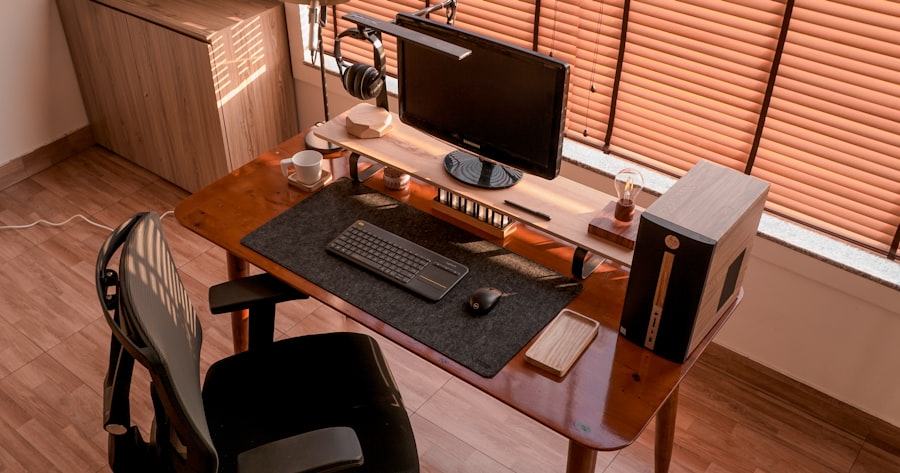
Identifying which expenses qualify for home office deductions is crucial for maximizing potential savings. Commonly deductible expenses include direct costs associated with the home office space itself, such as rent or mortgage interest, property taxes, and homeowners insurance. If you own your home, you can also deduct a portion of your utilities—like electricity, heating, and internet service—based on the percentage of your home that is used for business purposes.
Indirect expenses can also be deducted but require careful calculation. For instance, if you have a dedicated room that constitutes 10% of your home’s total square footage, you may claim 10% of your total utility bills as a deduction. Additionally, any repairs or improvements made specifically to the home office space can be fully deductible.
However, general repairs that benefit the entire home must be prorated based on the percentage of space used for business. Understanding these distinctions is vital for ensuring compliance with IRS regulations while maximizing your deductions.
Calculating the Home Office Deduction
Calculating the home office deduction can be approached in two distinct ways: using the simplified method or the regular method. The simplified method is straightforward; taxpayers multiply the square footage of their home office by the prescribed rate set by the IRS. As of 2023, this rate is $5 per square foot, with a maximum deduction limit of 300 square feet.
This means that individuals can claim up to $1,500 in deductions using this method without needing extensive documentation. On the other hand, the regular method requires a more detailed approach. Taxpayers must first determine the total square footage of their home and the square footage dedicated to their home office.
From there, they can calculate the percentage of their home used for business purposes. This percentage is then applied to various expenses such as mortgage interest, property taxes, and utilities to determine the deductible amount. For example, if your total home expenses amount to $20,000 and your home office occupies 10% of your home’s total area, you could potentially deduct $2,000 from your taxable income.
This method often yields higher deductions but necessitates thorough record-keeping and accurate calculations.
Other Tax Deductions for Home-Based Businesses
| Deduction Type | Description | Eligibility Criteria | Calculation Method | Limitations |
|---|---|---|---|---|
| Home Office Deduction | Deduction for expenses related to the portion of your home used exclusively for work. | Space must be used regularly and exclusively for business. | Actual expenses method or simplified method (fixed rate per square foot). | Only applies to self-employed or certain employees; excludes personal use areas. |
| Utilities | Portion of utility bills (electricity, water, internet) related to home office use. | Must be directly related to the home office space. | Percentage of home office square footage over total home square footage. | Only the business-use portion is deductible. |
| Office Supplies | Costs of supplies like paper, pens, and printer ink used for work. | Must be ordinary and necessary for work. | Full cost of supplies used for business. | Personal use items are not deductible. |
| Depreciation | Deduction for wear and tear on home office furniture and equipment. | Items must be used for business purposes. | Depreciation calculated over useful life of the asset. | Only business-use percentage is deductible. |
| Internet Expenses | Portion of internet costs related to work activities. | Must be used for business purposes. | Percentage of time internet is used for work. | Personal use portion is not deductible. |
In addition to home office deductions, individuals operating businesses from their homes may be eligible for various other tax deductions that can further reduce their taxable income. Business-related expenses such as supplies, equipment purchases, and software subscriptions are commonly deductible. For instance, if you purchase a new computer or printer specifically for your business use, these costs can be deducted in full or depreciated over time.
Moreover, travel expenses incurred while conducting business can also be deducted. This includes mileage driven for business purposes or costs associated with public transportation when meeting clients or attending conferences. It’s essential to maintain accurate records of these expenses to substantiate claims during tax filing.
Additionally, if you hire independent contractors or employees to assist with your business operations, their wages or fees may also be deductible as business expenses.
Record-Keeping and Documentation

Effective record-keeping is paramount when it comes to claiming tax deductions related to a home office or any business expenses. The IRS requires taxpayers to maintain adequate documentation to support their claims in case of an audit. This includes keeping receipts for all expenses related to the home office and any other business-related costs.
Digital tools and apps can assist in organizing these records efficiently. For those using the regular method to calculate their home office deduction, maintaining a detailed log of square footage calculations and expense allocations is crucial. It’s advisable to create a spreadsheet that outlines all relevant expenses and their corresponding percentages used for business purposes.
Additionally, retaining copies of utility bills, mortgage statements, and any invoices related to business purchases will provide necessary evidence should questions arise during tax assessments.
Consulting with a Tax Professional
Given the complexities surrounding tax deductions for home-based businesses and remote workers, consulting with a tax professional can be invaluable. Tax professionals possess expertise in navigating tax laws and can provide personalized advice tailored to individual circumstances. They can help identify all eligible deductions and ensure compliance with IRS regulations while maximizing potential savings.
A tax professional can also assist in determining which method—simplified or regular—is most advantageous based on your specific situation. They can guide you through the intricacies of record-keeping and documentation requirements while helping you develop strategies for future tax planning. Engaging with a knowledgeable expert not only alleviates stress during tax season but also enhances your understanding of how to optimize your financial situation as a remote worker or home-based business owner.
Tips for Maximizing Your Savings from Home Office Tax Deductions
To maximize savings from home office tax deductions effectively, consider implementing several strategic practices. First and foremost, ensure that you are aware of all eligible expenses related to your home office and business operations. Regularly review IRS guidelines and updates regarding tax deductions to stay informed about any changes that may affect your claims.
Another effective strategy is to maintain meticulous records throughout the year rather than waiting until tax season approaches. By organizing receipts and documenting expenses as they occur, you will streamline the process when it comes time to file your taxes. Additionally, consider utilizing accounting software designed for small businesses or freelancers; these tools often include features specifically aimed at tracking deductible expenses.
Lastly, don’t hesitate to revisit previous years’ tax returns if you believe you may have missed out on potential deductions in prior filings. The IRS allows taxpayers to amend returns within three years if they discover overlooked deductions that could result in refunds or reduced liabilities. By taking proactive steps and remaining informed about available deductions, you can significantly enhance your financial outcomes as a remote worker or home-based entrepreneur.

