

A personal tax accountant manages an individual’s tax compliance and financial planning responsibilities. Their core function involves ensuring clients meet tax law requirements while identifying available deductions and credits to reduce tax liability. This requires comprehensive knowledge of tax regulations, which frequently change and contain complex provisions.
Personal tax accountants prepare annual tax returns and develop tax strategies to optimize clients’ financial structures. They examine financial documents including income statements, investment portfolios, and expense records to assess each client’s complete financial profile. This analysis enables them to identify tax-saving opportunities and ensure accurate reporting.
These professionals guide clients through tax regulation complexities and explain how financial decisions impact tax obligations. Examples include property sales, retirement account contributions, and investment timing. Personal tax accountants monitor current tax legislation and regulatory changes to provide updated guidance that helps clients make informed financial decisions.
This expertise helps individuals minimize tax burdens and avoid penalties resulting from filing errors or regulatory misunderstandings.
Key Takeaways
- Personal tax accountants help manage and optimize individual tax matters.
- Research local accountants to find those familiar with your area’s tax laws.
- Evaluate their qualifications, experience, and professional certifications.
- Seek referrals from trusted sources to identify reputable accountants.
- Meet potential accountants to discuss fees, services, and establish a working relationship.
Researching Local Personal Tax Accountants
When seeking a personal tax accountant, the first step is to conduct thorough research within your local area. This process can begin with a simple online search, where you can find listings of accountants and firms specializing in personal tax services. Websites like Yelp, Google Reviews, and specialized accounting directories can provide valuable insights into the reputation and reliability of various accountants.
Pay attention to client reviews and ratings, as they often reflect the quality of service provided. Additionally, local business directories may list accountants who are well-regarded in your community. Another effective method for researching local personal tax accountants is to utilize social media platforms and professional networks such as LinkedIn.
These platforms can offer a glimpse into an accountant’s professional background, including their education, certifications, and areas of expertise. Engaging with community groups or forums can also yield recommendations from individuals who have had positive experiences with specific accountants. By gathering information from multiple sources, you can create a shortlist of potential candidates who meet your criteria for expertise and reliability.
Evaluating Qualifications and Experience
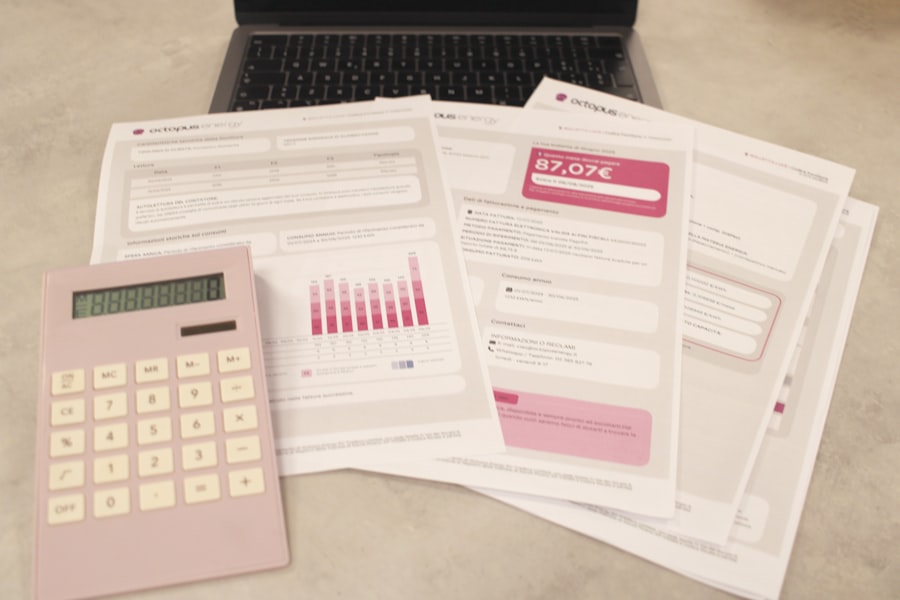
Once you have identified potential personal tax accountants, the next step is to evaluate their qualifications and experience. A qualified accountant should possess at least a bachelor’s degree in accounting or a related field, along with relevant certifications such as Certified Public Accountant (CPA) or Enrolled Agent (EA). These credentials indicate that the accountant has undergone rigorous training and adheres to professional standards.
It is essential to verify these qualifications by checking with the appropriate licensing boards or professional organizations. Experience is another critical factor to consider when evaluating personal tax accountants. An accountant with several years of experience in handling personal taxes will likely have encountered a wide range of scenarios and complexities.
This experience can be invaluable when it comes to navigating unique financial situations or addressing specific concerns that may arise during tax preparation. Inquire about their experience with clients who have similar financial profiles or situations as yours, as this can provide insight into their ability to handle your specific needs effectively.
Asking for Referrals and Recommendations
One of the most effective ways to find a trustworthy personal tax accountant is through referrals and recommendations from friends, family, or colleagues. Personal experiences often carry more weight than online reviews, as they come from individuals who have firsthand knowledge of an accountant’s capabilities and service quality. When asking for referrals, be specific about what you are looking for in an accountant—whether it’s expertise in certain areas like investments or small business taxes, or simply someone who is approachable and communicative.
In addition to personal networks, consider reaching out to professionals in related fields, such as financial advisors or attorneys. These individuals often collaborate with tax accountants and can provide recommendations based on their experiences working together. They may also have insights into the accountant’s approach to client service and their ability to handle complex tax situations.
Gathering multiple referrals can help you create a more comprehensive view of potential candidates and narrow down your options effectively.
Meeting with Potential Accountants
| Metric | Description | Example Value | Notes |
|---|---|---|---|
| Average Hourly Rate | Typical cost per hour for a personal tax accountant | 100 – 250 | Varies by location and experience |
| Average Tax Return Preparation Time | Time taken to prepare a standard personal tax return | 2 – 4 hours | Depends on complexity of tax situation |
| Client Satisfaction Rating | Average rating from client reviews | 4.5 / 5 | Based on online review platforms |
| Number of Local Accountants | Count of personal tax accountants within 10 miles | 15 – 30 | Varies by city size |
| Average Refund Amount | Typical refund amount clients receive | 1500 – 3500 | Depends on individual tax situations |
| Availability During Tax Season | Percentage of accountants accepting new clients | 60% | May decrease closer to tax deadlines |
After compiling a list of potential personal tax accountants based on research and referrals, it is crucial to meet with them in person or virtually. This initial meeting serves as an opportunity to assess not only their technical skills but also their interpersonal qualities. During this meeting, you should discuss your financial situation in detail and gauge how well the accountant listens and responds to your concerns.
A good accountant should be able to explain complex tax concepts in a way that is easy to understand, demonstrating their ability to communicate effectively. Additionally, use this meeting to inquire about their approach to tax planning and preparation. Ask about their process for gathering information, how they stay updated on tax law changes, and what strategies they employ to minimize tax liabilities for their clients.
This conversation will provide insight into their methodology and whether it aligns with your expectations. Furthermore, observe their demeanor; a personable and approachable accountant can make the often-stressful process of tax preparation much more manageable.
Discussing Fees and Services
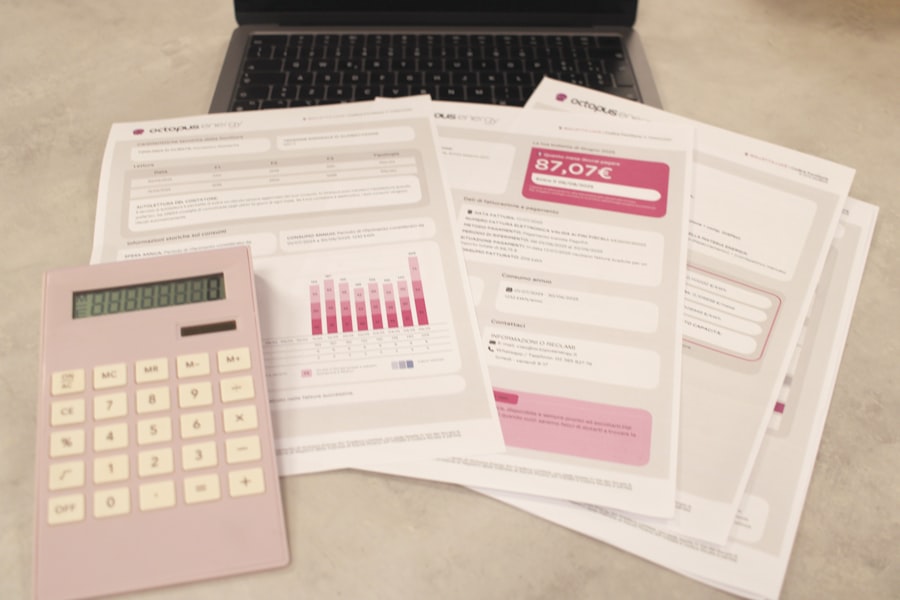
Understanding the fee structure of potential personal tax accountants is essential before making a decision. Accountants may charge fees based on various models: hourly rates, flat fees for specific services, or a percentage of the refund received. It is important to clarify how they bill for their services and what is included in those fees.
For instance, some accountants may charge extra for additional services such as year-round consulting or audit support, while others may offer comprehensive packages that cover all aspects of tax preparation. When discussing fees, don’t hesitate to ask about any potential hidden costs or additional charges that may arise during the process. Transparency regarding fees is crucial for establishing trust between you and your accountant.
Additionally, consider the value of the services provided rather than just focusing on cost alone; an experienced accountant may charge more but could ultimately save you money through effective tax planning strategies.
Checking for Professional Certifications and Licenses
Before finalizing your choice of a personal tax accountant, it is imperative to verify their professional certifications and licenses. In many jurisdictions, accountants are required to hold specific licenses to practice legally. For instance, Certified Public Accountants (CPAs) must pass rigorous examinations and meet continuing education requirements to maintain their status.
Enrolled Agents (EAs), on the other hand, are licensed by the IRS and have demonstrated expertise in federal tax matters. You can check an accountant’s credentials through state licensing boards or professional organizations such as the American Institute of CPAs (AICPA) or the National Association of Enrolled Agents (NAEA). These organizations often provide resources for verifying an accountant’s standing and any disciplinary actions that may have been taken against them.
Ensuring that your chosen accountant holds valid certifications not only confirms their expertise but also provides peace of mind regarding their professionalism.
Making a Decision and Establishing a Relationship
After conducting thorough research, evaluations, meetings, and checks on qualifications, you are now in a position to make an informed decision regarding your personal tax accountant. Choosing the right accountant is not merely about finding someone who can file your taxes; it’s about establishing a long-term relationship that can benefit your financial health over time. A good personal tax accountant will not only assist you during tax season but will also be available year-round for advice on financial planning and strategies.
Once you have made your selection, it is important to communicate openly with your new accountant about your expectations and any specific concerns you may have regarding your financial situation. Establishing clear lines of communication will foster a productive working relationship that can lead to better outcomes in managing your taxes. Regular check-ins throughout the year can help ensure that you remain aligned on financial goals and any changes in your circumstances that may affect your tax situation.
By nurturing this relationship, you can create a partnership that supports your financial well-being for years to come.