

SBA loans, or Small Business Administration loans, are a vital financial resource for entrepreneurs seeking to acquire commercial property. These loans are designed to support small businesses by providing them with access to capital that might otherwise be unavailable through traditional lending channels. The SBA does not directly lend money; instead, it guarantees a portion of the loan, which reduces the risk for lenders and encourages them to offer favorable terms to borrowers.
This guarantee is particularly beneficial for small business owners who may not have extensive credit histories or substantial collateral. The most common type of SBA loan for commercial property is the SBA 7(a) loan, which can be used for various purposes, including purchasing real estate, equipment, or working capital. Another option is the SBA 504 loan, specifically tailored for purchasing fixed assets like commercial real estate.
The 504 loan program is particularly advantageous for businesses looking to invest in long-term assets, as it offers lower down payments and longer repayment terms compared to conventional loans. Understanding these nuances is crucial for business owners who wish to leverage SBA loans effectively in their real estate endeavors.
Key Takeaways
- SBA loans provide accessible financing options specifically designed for commercial property purchases.
- Eligibility requires meeting SBA criteria, including business size, creditworthiness, and property use.
- Benefits include lower down payments, longer repayment terms, and competitive interest rates.
- The application process involves preparing detailed documentation and working with SBA-approved lenders.
- Understanding loan terms and property eligibility is crucial to ensure successful approval and maximize loan advantages.
Eligibility Criteria for SBA Loans
To qualify for an SBA loan, businesses must meet specific eligibility criteria set forth by the Small Business Administration. One of the primary requirements is that the business must be classified as a small business according to the SBA’s size standards, which vary by industry. Generally, this means that the business must have fewer than 500 employees and meet certain revenue thresholds.
Additionally, the business must operate for profit and be located in the United States. Another critical aspect of eligibility is the owner’s personal creditworthiness. Lenders typically look for a credit score of at least 680, although some may consider lower scores depending on other factors such as cash flow and business performance.
Furthermore, the business must demonstrate a need for the loan and show that it can repay it. This often involves providing financial statements, tax returns, and a detailed business plan outlining how the funds will be used. Understanding these criteria is essential for potential borrowers to assess their readiness before applying for an SBA loan.
Benefits of SBA Loans for Commercial Property
One of the most significant advantages of SBA loans is their favorable terms compared to conventional financing options. For instance, SBA loans often come with lower down payment requirements, which can be as low as 10% for certain types of properties. This lower barrier to entry allows small business owners to preserve their working capital for other operational needs while still investing in real estate.
Additionally, the long repayment terms—often up to 25 years—provide borrowers with manageable monthly payments, making it easier to maintain cash flow. Another benefit is the competitive interest rates associated with SBA loans. Because these loans are partially guaranteed by the government, lenders are more willing to offer lower rates than they would for traditional loans.
This can result in significant savings over the life of the loan, allowing businesses to allocate more resources toward growth and development rather than interest payments. Furthermore, the flexibility in how funds can be used—whether for purchasing property, renovations, or equipment—adds another layer of appeal for entrepreneurs looking to expand their operations.
How to Apply for an SBA Loan
The application process for an SBA loan can be intricate and requires careful preparation. The first step is to identify a lender that participates in the SBA loan program. Many banks and credit unions offer these loans, but it’s essential to find one that has experience with commercial real estate transactions.
Once a lender is selected, the borrower must gather necessary documentation, including personal and business financial statements, tax returns, and a comprehensive business plan that outlines how the loan will be utilized. After submitting the application and required documents, the lender will conduct a thorough review process. This typically includes assessing the business’s creditworthiness, evaluating its financial health, and determining the viability of the proposed project.
The lender may also require additional information or clarification during this stage. Once approved, borrowers will receive a commitment letter detailing the terms of the loan, which they must review carefully before proceeding with closing.
Key Considerations for SBA Loan Approval
| Metric | Description | Typical Range/Value |
|---|---|---|
| Loan Amount | Maximum loan amount available for commercial property purchase or refinance | Up to 5 million |
| Down Payment | Percentage of property value borrower must provide upfront | 10% to 20% |
| Interest Rate | Fixed or variable interest rate applied to the loan | Typically prime rate plus 2.75% to 4.75% |
| Loan Term | Duration over which the loan is repaid | 10 to 25 years |
| Use of Funds | Permitted uses for the loan proceeds | Purchase, refinance, construction, renovation |
| Eligibility | Requirements for borrower and property | Small business, owner-occupied commercial property |
| Prepayment Penalty | Fees charged for early loan repayment | Usually none or minimal |
| Collateral | Assets securing the loan | Commercial property itself plus possible additional collateral |
Several factors can influence the approval of an SBA loan application. One of the most critical considerations is the applicant’s credit history. Lenders will scrutinize both personal and business credit scores to assess risk levels.
A strong credit history can significantly enhance an applicant’s chances of approval, while a poor credit score may lead to denial or unfavorable terms. Another important factor is the business’s cash flow and financial stability. Lenders want to ensure that borrowers can meet their repayment obligations without jeopardizing their operations.
Therefore, providing detailed financial statements that demonstrate consistent revenue and profitability is crucial. Additionally, having a well-structured business plan that outlines future growth strategies can bolster an application by showing lenders that the borrower has a clear vision and plan for success.
Types of Commercial Properties Eligible for SBA Loans
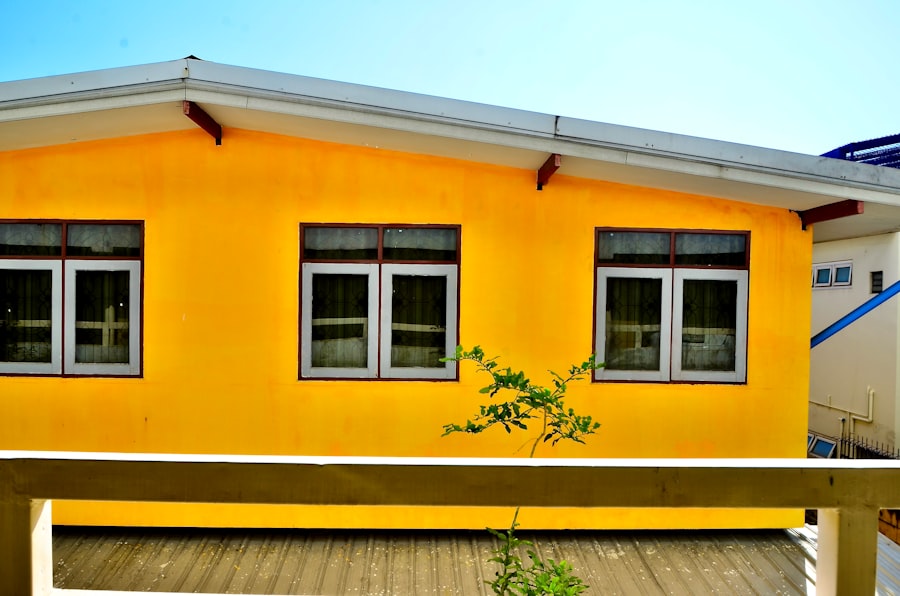
SBA loans can be used to finance various types of commercial properties, making them a versatile option for small business owners. One common use is purchasing owner-occupied real estate, where the business occupies at least 51% of the property. This includes office buildings, retail spaces, warehouses, and manufacturing facilities.
The ability to own rather than lease property can provide significant long-term savings and stability for businesses. In addition to owner-occupied properties, SBA loans can also be utilized for purchasing land or buildings that will be developed into commercial spaces. This includes construction projects where businesses intend to build new facilities tailored to their specific needs.
Furthermore, existing properties that require renovations or improvements can also qualify for financing under certain conditions. Understanding these eligible property types allows entrepreneurs to explore various avenues for investment and growth.
SBA Loan Terms and Conditions
The terms and conditions associated with SBA loans are designed to make them accessible and manageable for small businesses. As previously mentioned, one of the most attractive features is the extended repayment period, which can range from 10 to 25 years depending on the type of loan and purpose of financing. This long-term structure helps reduce monthly payments and allows businesses to allocate funds toward growth initiatives rather than debt servicing.
Interest rates on SBA loans are typically variable and are tied to market rates plus a margin set by lenders. While rates can fluctuate over time, they generally remain competitive compared to conventional financing options. Additionally, borrowers should be aware of any fees associated with obtaining an SBA loan, such as guarantee fees or closing costs.
These costs can vary based on the loan amount and lender policies but are often lower than those associated with traditional loans.
Tips for Maximizing the Benefits of SBA Loans
To fully leverage the advantages of SBA loans, borrowers should take proactive steps throughout the application process and beyond. First and foremost, maintaining a strong credit profile is essential; this includes paying bills on time, reducing outstanding debts, and regularly reviewing credit reports for inaccuracies. A solid credit history not only enhances approval chances but can also lead to better terms.
Additionally, crafting a comprehensive business plan is crucial when applying for an SBA loan. This plan should clearly outline how funds will be used and demonstrate a thorough understanding of market conditions and competition. Including financial projections can further strengthen an application by showcasing anticipated revenue growth and profitability.
Once secured, borrowers should utilize their SBA loan funds strategically. Whether investing in property improvements or expanding operations, ensuring that expenditures align with long-term business goals will maximize return on investment. Regularly monitoring financial performance post-loan acquisition will also help identify areas for improvement and ensure that repayment obligations are met without compromising operational stability.
By understanding the intricacies of SBA loans and implementing best practices throughout the process, small business owners can effectively harness this financial tool to achieve their commercial property goals and drive sustainable growth in their enterprises.