

The tax-free threshold is a critical concept in personal finance and taxation, particularly for individuals earning income. In many countries, this threshold represents the amount of income an individual can earn before they are required to pay income tax. For instance, in Australia, the tax-free threshold is set at a specific annual income level, which, as of the latest updates, is $18,200.
This means that if an individual earns less than this amount in a financial year, they are not liable to pay any income tax. Understanding this threshold is essential for effective financial planning and tax management. The significance of the tax-free threshold extends beyond mere numbers; it plays a vital role in shaping an individual’s financial landscape.
For many low-income earners, this threshold provides a crucial buffer that allows them to retain more of their earnings without the burden of taxation. It is particularly beneficial for students, part-time workers, and those entering the workforce, as it enables them to keep their earnings intact while they establish their careers. Furthermore, understanding how the tax-free threshold interacts with other tax obligations and benefits can empower individuals to make informed decisions about their finances.
Key Takeaways
- The tax free threshold allows individuals to earn a certain amount of income without paying tax.
- To claim the tax free threshold, you must notify your employer or complete the appropriate tax forms.
- Claiming the threshold can increase your take-home pay and reduce tax liabilities.
- Eligibility typically depends on residency status and income sources.
- Regularly reviewing and adjusting your tax free threshold can help optimize your income and avoid common errors.
How to Claim the Tax Free Threshold
Claiming the tax-free threshold is a straightforward process, but it requires attention to detail and an understanding of the necessary steps involved. In Australia, for example, individuals must complete a Tax File Number (TFN) declaration form when they start a new job or when they change their employment status. This form includes a section where individuals can indicate whether they wish to claim the tax-free threshold.
By ticking the appropriate box, they inform their employer that they are eligible for this benefit, which will subsequently affect the amount of tax withheld from their paychecks. It is important to note that claiming the tax-free threshold is not automatic; individuals must actively communicate their eligibility to their employer. If someone has multiple jobs, they can only claim the tax-free threshold from one employer at a time.
This means that careful consideration is necessary when deciding which job to claim it from, as it can significantly impact take-home pay. If an individual mistakenly claims the threshold from more than one employer, they may end up underpaying taxes and facing a tax bill at the end of the financial year.
Benefits of Claiming the Tax Free Threshold
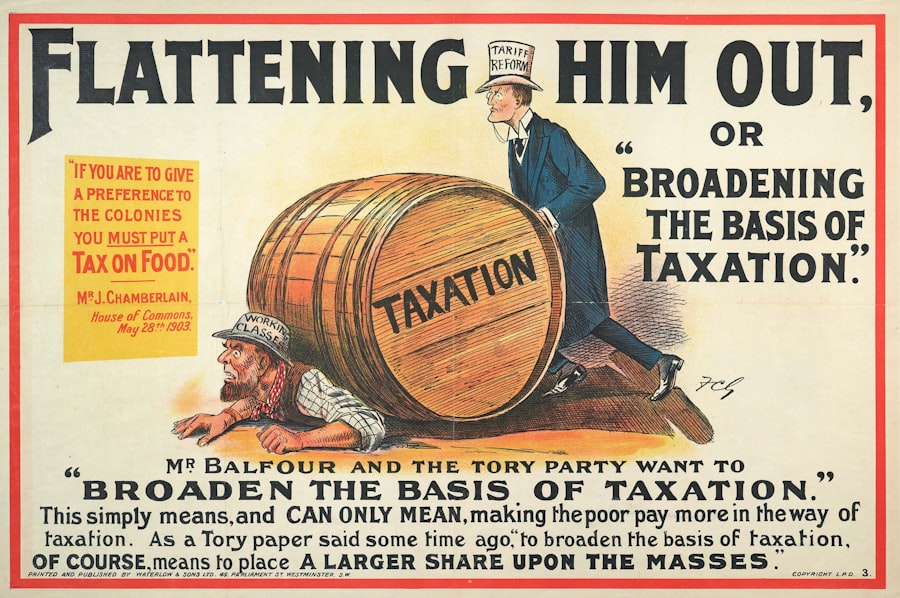
The benefits of claiming the tax-free threshold are manifold and can have a substantial impact on an individual’s financial situation. One of the most immediate advantages is the increase in disposable income. By not having to pay tax on earnings up to the threshold amount, individuals can allocate more funds toward essential expenses such as housing, food, and education.
This increased cash flow can be particularly beneficial for those who are just starting their careers or managing tight budgets. Moreover, claiming the tax-free threshold can also provide psychological benefits. Knowing that a portion of one’s income is untaxed can alleviate financial stress and contribute to a sense of financial security.
This peace of mind allows individuals to focus on their personal and professional development without the constant worry of impending tax liabilities. Additionally, for those who may be eligible for government benefits or subsidies, claiming the tax-free threshold can help maintain eligibility for these programs by ensuring that reported income remains below certain limits.
Who is Eligible to Claim the Tax Free Threshold
Eligibility for claiming the tax-free threshold typically hinges on several factors, including residency status and income level. In Australia, for instance, residents for tax purposes are generally eligible to claim the threshold. This includes Australian citizens and permanent residents who reside in Australia for more than half of the year.
Conversely, temporary residents or non-residents may not be entitled to this benefit and should consult with a tax professional to understand their specific obligations. Income level is another critical factor in determining eligibility. Individuals must ensure that their expected annual income does not exceed the established threshold limit.
For those who anticipate earning more than this amount during the financial year, it may be prudent to seek advice on how best to manage their tax obligations. Additionally, certain circumstances such as receiving government allowances or pensions may also influence eligibility and should be carefully considered when claiming the tax-free threshold.
Tips for Maximizing Your Income with the Tax Free Threshold
| Metric | Description | Value | Notes |
|---|---|---|---|
| Tax Free Threshold Amount | The amount of income you can earn before paying tax | 18,200 | Applies to Australian residents for tax purposes |
| Eligibility | Who can claim the tax free threshold | Australian residents | Non-residents cannot claim this threshold |
| Claiming Method | How to claim the tax free threshold | Complete Tax File Number declaration form | Usually done when starting a new job |
| Effect on Withholding | Impact on tax withheld from pay | Reduces amount withheld | Helps increase take-home pay |
| Multiple Employers | Claiming threshold with more than one employer | Claim with one employer only | Claiming with multiple employers may result in tax debt |
| Income Above Threshold | Tax payable on income exceeding threshold | Taxed at marginal rates | Threshold only reduces tax on first 18,200 |
To maximize income while benefiting from the tax-free threshold, individuals should adopt strategic approaches to their financial planning. One effective strategy is to monitor income levels closely throughout the year. By keeping track of earnings from all sources—whether from employment, freelance work, or investments—individuals can ensure they remain within the limits of the tax-free threshold.
This proactive approach allows for better budgeting and financial forecasting. Another tip involves optimizing work hours or job choices. For instance, part-time work or casual employment may provide flexibility in managing income levels while still allowing individuals to benefit from the tax-free threshold.
Additionally, individuals should consider taking advantage of any available deductions or offsets that could further reduce taxable income. Engaging with a qualified tax advisor can provide personalized insights into maximizing income while navigating complex tax regulations.
Common Mistakes to Avoid When Claiming the Tax Free Threshold
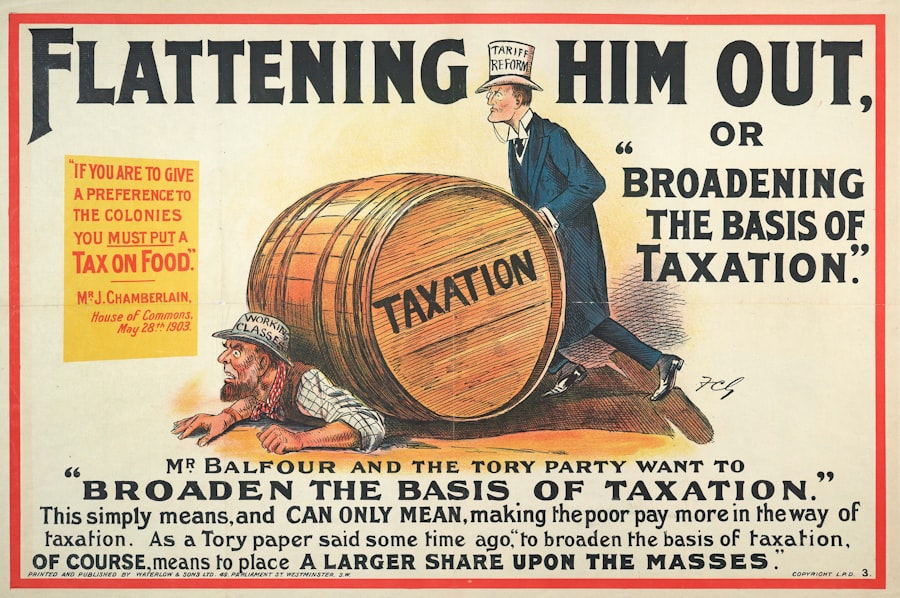
Navigating the intricacies of claiming the tax-free threshold can be challenging, and several common mistakes can lead to unintended consequences. One prevalent error is failing to update employment information when changing jobs or roles. If an individual does not inform their new employer about their intention to claim the tax-free threshold, they may find themselves overtaxed during pay periods, leading to cash flow issues and potential complications during tax time.
Another mistake involves misunderstanding eligibility criteria. Some individuals may incorrectly assume they qualify for the tax-free threshold based solely on residency status or income level without considering other factors such as multiple job holdings or specific income types that may not be eligible for this benefit. It is crucial to conduct thorough research or consult with a tax professional to avoid these pitfalls and ensure compliance with tax regulations.
How to Adjust Your Tax Free Threshold Throughout the Year
Adjusting your claim on the tax-free threshold throughout the year may be necessary due to changes in employment status or income levels. If an individual starts a new job or experiences a significant change in earnings—such as taking on additional work—they should revisit their TFN declaration form and make any necessary adjustments. This proactive approach ensures that withholding amounts remain accurate and aligned with current financial circumstances.
In some cases, individuals may find themselves earning more than anticipated and exceeding the tax-free threshold earlier in the year than expected. In such situations, it is advisable to notify employers promptly so that withholding rates can be adjusted accordingly. This adjustment helps prevent underpayment issues at year-end and mitigates potential penalties associated with incorrect reporting.
Additional Tax Strategies for Maximizing Your Income
Beyond claiming the tax-free threshold, there are several additional strategies individuals can employ to maximize their income and minimize tax liabilities effectively. One such strategy involves utilizing tax deductions available for work-related expenses. Keeping meticulous records of expenses related to employment—such as travel costs, uniforms, or educational materials—can lead to significant deductions that reduce taxable income.
Another effective approach is contributing to retirement savings accounts or superannuation funds. In many jurisdictions, contributions made toward retirement savings are often tax-deductible or receive favorable tax treatment. By investing in these accounts early on, individuals not only prepare for their future but also reduce their current taxable income.
Additionally, exploring investment opportunities that offer capital gains exemptions or lower tax rates can further enhance financial outcomes. Engaging with financial advisors who specialize in taxation can provide tailored strategies that align with individual financial goals while ensuring compliance with relevant laws and regulations. In conclusion, understanding and effectively managing the tax-free threshold is essential for optimizing personal finances and maximizing income potential.
By being proactive in claiming this benefit and employing additional strategies, individuals can navigate their financial landscape with greater confidence and security.