

In an increasingly digital world, financial planning apps have emerged as essential tools for individuals seeking to manage their finances more effectively. These applications provide users with the ability to track expenses, create budgets, and set financial goals, all from the convenience of their smartphones or tablets. The rise of these apps can be attributed to the growing need for financial literacy and the desire for greater control over personal finances.
As people become more aware of the importance of budgeting and saving, financial planning apps have stepped in to fill the gap, offering user-friendly interfaces and powerful features that cater to a wide range of financial needs. The evolution of technology has played a significant role in the development of financial planning apps. With advancements in mobile technology and data analytics, these applications have become more sophisticated, allowing users to gain insights into their spending habits and investment opportunities.
Many apps now incorporate artificial intelligence and machine learning algorithms to provide personalized recommendations based on individual financial behaviors. This shift towards technology-driven solutions has made financial planning more accessible than ever before, empowering users to take charge of their financial futures.
Key Takeaways
- Financial planning apps help users manage budgets, track expenses, and plan investments efficiently.
- Key features to consider include user-friendly interfaces, security, budgeting tools, and integration with financial accounts.
- Benefits include improved financial awareness, goal tracking, and time savings in managing personal finances.
- Choosing the right app depends on individual needs, such as specific financial goals, app compatibility, and cost.
- Avoid common mistakes like neglecting regular updates, ignoring app security, and failing to customize settings for optimal use.
Features to Look for in a Financial Planning App
When selecting a financial planning app, it is crucial to consider the features that will best serve your unique financial situation. One of the most important features is budgeting capabilities. A robust budgeting tool allows users to categorize their expenses, set spending limits, and monitor their progress in real-time.
Look for apps that offer customizable categories and visual representations of your budget, such as graphs or pie charts, which can help you quickly identify areas where you may be overspending. Another essential feature is the ability to track investments. Many financial planning apps now include investment tracking tools that allow users to monitor their portfolios, analyze performance, and receive alerts about market changes.
This feature is particularly beneficial for individuals who are actively investing in stocks, bonds, or mutual funds, as it provides a comprehensive view of their financial health. Additionally, some apps offer integration with brokerage accounts, enabling users to manage their investments directly from the app without needing to switch between multiple platforms.
Benefits of Using a Financial Planning App

The advantages of utilizing a financial planning app extend beyond mere convenience. One significant benefit is the enhanced visibility it provides into your financial situation. By consolidating all your financial information in one place, you can easily track your income, expenses, and savings goals.
This holistic view allows you to make informed decisions about your finances and identify trends that may require adjustments to your spending habits. Moreover, financial planning apps often include educational resources that can help users improve their financial literacy. Many applications offer articles, videos, and interactive tools designed to teach users about budgeting, investing, and saving strategies.
This educational component can be particularly valuable for those who may not have a strong background in finance or who are looking to enhance their knowledge. By equipping users with the necessary tools and information, these apps empower individuals to take control of their financial futures.
How to Choose the Best Financial Planning App for Your Needs
Choosing the right financial planning app requires careful consideration of your specific needs and preferences. Start by assessing your financial goals—are you looking to save for a major purchase, pay off debt, or invest for retirement? Different apps cater to different objectives, so identifying your primary focus will help narrow down your options.
For instance, if your goal is to save for a vacation, look for an app that emphasizes savings tracking and goal-setting features. Another critical factor is user experience. A well-designed app should be intuitive and easy to navigate.
Take advantage of free trials or demos offered by many financial planning apps to get a feel for their interfaces before committing. Additionally, consider the level of customer support provided by the app developers. Access to responsive customer service can be invaluable if you encounter technical issues or have questions about using specific features.
Tips for Getting the Most Out of Your Financial Planning App
| Metric | Description | Example Value | Unit |
|---|---|---|---|
| Monthly Active Users (MAU) | Number of users actively using the app each month | 150,000 | Users |
| Average Session Duration | Average time spent per session in the app | 12 | Minutes |
| Budget Categories Created | Average number of budget categories created per user | 5 | Categories |
| Goal Completion Rate | Percentage of financial goals completed by users | 35 | Percent |
| Monthly Savings Rate | Average percentage of income saved monthly by users | 18 | Percent |
| Net Promoter Score (NPS) | Measure of user satisfaction and likelihood to recommend | 42 | Score |
| Churn Rate | Percentage of users who stop using the app monthly | 7 | Percent |
| Financial Insights Generated | Average number of personalized insights provided per user | 3 | Insights |
To maximize the benefits of your financial planning app, it is essential to engage with it regularly and utilize its full range of features. Set aside time each week or month to review your financial progress and update your budget as necessary. Regular check-ins can help you stay accountable and make adjustments based on changes in your income or expenses.
Additionally, take advantage of any educational resources offered within the app. Many financial planning apps provide articles or tutorials that can enhance your understanding of personal finance concepts. By actively seeking out this information, you can improve your financial literacy and make more informed decisions regarding your money management strategies.
Case Studies: Success Stories of Using Financial Planning Apps
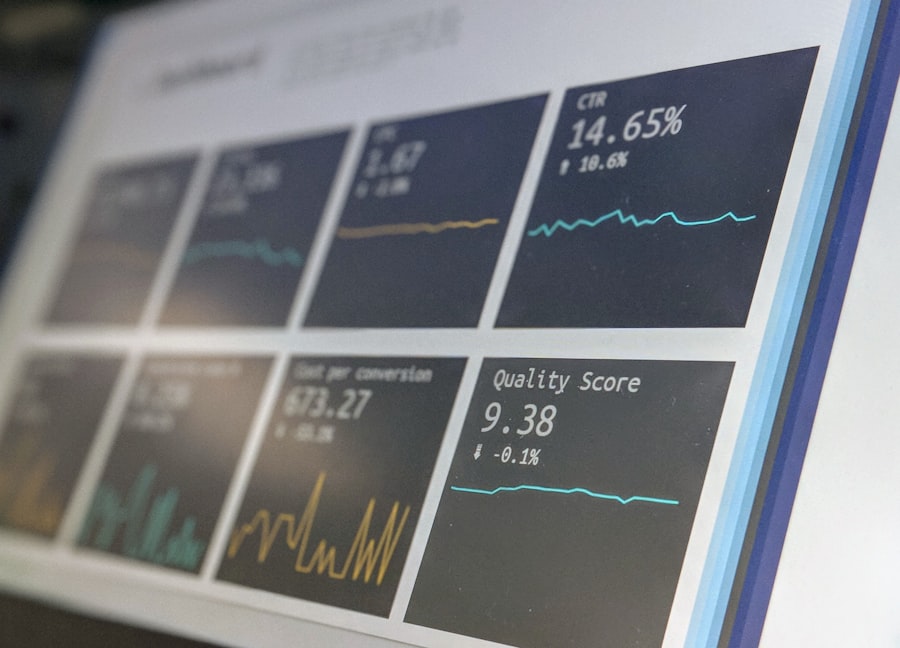
Numerous individuals have experienced transformative changes in their financial lives through the use of financial planning apps. For example, consider the case of Sarah, a young professional who struggled with managing her student loan debt while trying to save for a home. After downloading a budgeting app that allowed her to track her expenses and set savings goals, Sarah was able to identify unnecessary spending habits that were hindering her progress.
By reallocating those funds towards her savings account and consistently monitoring her budget through the app, she successfully saved enough for a down payment within two years. Another compelling case is that of Mark and Lisa, a couple who wanted to improve their overall financial health after starting a family. They began using an investment tracking app that not only helped them monitor their existing investments but also provided insights into new investment opportunities tailored to their risk tolerance.
By leveraging the app’s educational resources and investment analysis tools, they diversified their portfolio and increased their overall net worth significantly over five years.
Common Mistakes to Avoid When Using a Financial Planning App
While financial planning apps can be incredibly beneficial, users often make common mistakes that can undermine their effectiveness. One prevalent error is neglecting regular updates to budgets and financial goals. Many users set up their budgets at the beginning of the year but fail to revisit them as circumstances change throughout the year.
This oversight can lead to inaccurate tracking and ultimately hinder progress toward achieving financial objectives. Another mistake is underutilizing the app’s features. Many users may download an app with high expectations but only scratch the surface of its capabilities.
For instance, some may only use basic budgeting tools without exploring investment tracking or educational resources available within the app. To avoid this pitfall, take time to familiarize yourself with all features offered by the app and actively engage with them to enhance your overall experience.
The Future of Financial Planning Apps: Trends and Innovations
As technology continues to evolve, so too will the landscape of financial planning apps. One notable trend is the increasing integration of artificial intelligence (AI) into these applications. AI-driven features can provide personalized insights based on user behavior, helping individuals make smarter financial decisions tailored specifically to their circumstances.
For example, some apps are beginning to offer predictive analytics that can forecast future spending patterns based on historical data. Another innovation on the horizon is enhanced security measures aimed at protecting user data. As concerns about data privacy grow, developers are investing in advanced encryption technologies and multi-factor authentication processes to ensure that sensitive financial information remains secure.
This focus on security will likely become a key differentiator among competing financial planning apps as users prioritize safety alongside functionality. In conclusion, as we look ahead at the future of financial planning apps, it is clear that they will continue to play an integral role in helping individuals manage their finances effectively. With ongoing advancements in technology and an increasing emphasis on user experience and security, these applications are poised to become even more indispensable tools for achieving personal financial goals.