
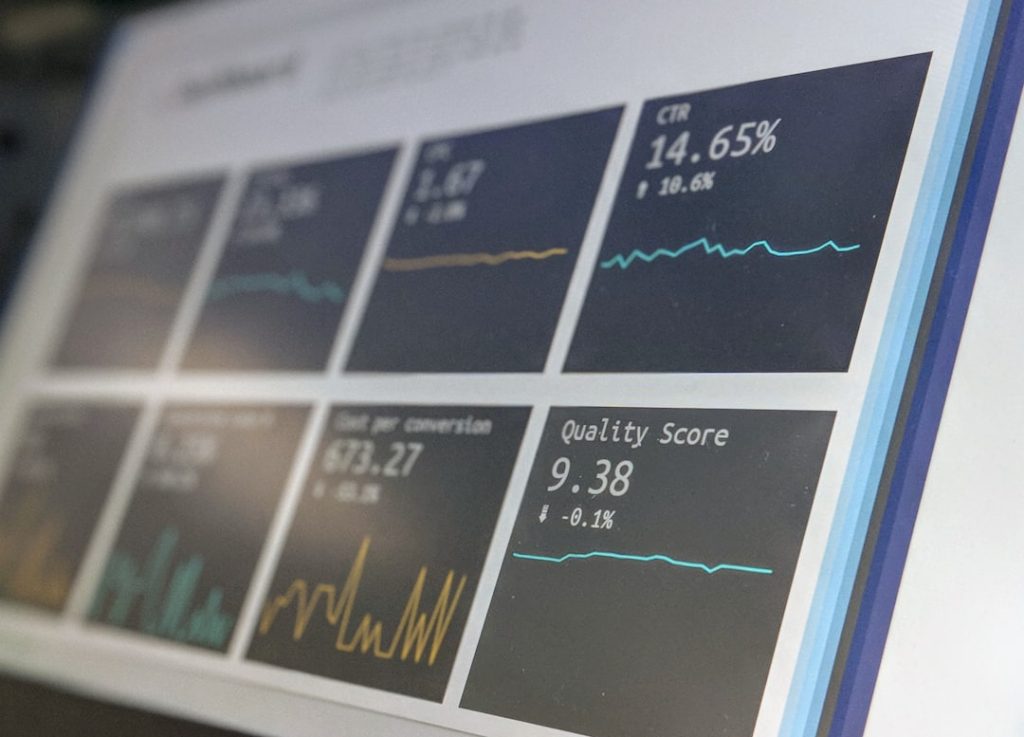
Quarterly reporting is a systematic process where organizations evaluate their performance every three months. This practice enables businesses to measure progress against predetermined goals and objectives while providing insights into operational efficiency, financial performance, and market position. Organizations use quarterly reporting to maintain regulatory compliance and establish accountability and transparency standards.
Quarterly reporting helps organizations adapt to rapidly changing market conditions by providing regular performance assessments. These reports document achievements, identify challenges, and analyze the impact of external factors on business operations. The quarterly reporting cycle facilitates internal evaluation processes and improves stakeholder communication with investors, employees, and customers.
Organizations use these reports to demonstrate their performance trajectory and maintain stakeholder confidence through transparent disclosure of business results.
Key Takeaways
- Quarterly reporting provides regular insights into business performance and progress.
- Clear goals and KPIs are essential for measuring success accurately.
- Data analysis helps identify trends and areas needing attention.
- Actionable insights drive informed decision-making and strategy adjustments.
- Effective communication ensures stakeholders understand results and support improvements.
Setting Clear Goals and Objectives
The foundation of effective quarterly reporting lies in the establishment of clear goals and objectives. These targets should be specific, measurable, achievable, relevant, and time-bound (SMART). By defining what success looks like at the outset of each quarter, organizations can create a roadmap that guides their activities and decision-making processes.
For instance, a company might set a goal to increase sales by 15% in the upcoming quarter while simultaneously aiming to improve customer satisfaction scores by 10%. Such clarity not only aligns team efforts but also provides a benchmark against which performance can be evaluated. Moreover, setting clear objectives encourages a proactive approach to problem-solving.
When teams understand the desired outcomes, they are better equipped to identify potential obstacles and devise strategies to overcome them. For example, if a marketing department aims to boost brand awareness through social media engagement, they can tailor their campaigns accordingly and monitor progress throughout the quarter. This alignment between goals and daily operations ensures that every team member is working towards a common purpose, ultimately enhancing overall organizational effectiveness.
Utilizing Key Performance Indicators (KPIs)

Key Performance Indicators (KPIs) are essential tools for measuring progress toward established goals. These quantifiable metrics provide valuable insights into various aspects of an organization’s performance, from financial health to operational efficiency. Selecting the right KPIs is crucial; they must align with the specific objectives set for the quarter.
For instance, if a company’s goal is to enhance customer retention, relevant KPIs might include customer churn rate, repeat purchase rate, and customer lifetime value. By focusing on these indicators, organizations can gain a clearer understanding of their performance in relation to their strategic objectives. The effective use of KPIs also involves regular monitoring and analysis.
Organizations should establish a routine for reviewing these metrics throughout the quarter rather than waiting until the end of the reporting period. This ongoing assessment allows teams to identify trends and make informed decisions in real-time. For example, if a sales team notices a decline in conversion rates early in the quarter, they can investigate potential causes—such as changes in market conditions or customer preferences—and adjust their strategies accordingly.
This proactive approach not only enhances responsiveness but also fosters a culture of continuous improvement.
Analyzing and Interpreting Data
Data analysis is at the heart of quarterly reporting, transforming raw numbers into actionable insights. Organizations must employ various analytical techniques to interpret the data collected through KPIs effectively. This process often involves comparing current performance against historical data or industry benchmarks to identify patterns and anomalies.
For instance, if a company observes a significant drop in sales compared to the previous quarter, it is essential to delve deeper into the data to understand the underlying causes—be it seasonal fluctuations, competitive pressures, or shifts in consumer behavior. Furthermore, qualitative data should complement quantitative analysis for a more comprehensive view of performance. Customer feedback, employee surveys, and market research can provide context that numbers alone may not reveal.
For example, if sales figures are declining but customer satisfaction ratings are high, it may indicate that while existing customers are happy, attracting new ones is proving challenging. By integrating both quantitative and qualitative insights, organizations can develop a nuanced understanding of their performance landscape and make informed decisions moving forward.
Implementing Actionable Insights
| Metric | Description | Q1 | Q2 | Q3 | Q4 |
|---|---|---|---|---|---|
| Revenue | Total income generated during the quarter | 1,200,000 | 1,350,000 | 1,400,000 | 1,500,000 |
| Net Profit | Profit after all expenses and taxes | 250,000 | 300,000 | 320,000 | 350,000 |
| Operating Expenses | Costs related to business operations | 600,000 | 620,000 | 630,000 | 640,000 |
| Earnings Per Share (EPS) | Net profit divided by outstanding shares | 0.50 | 0.60 | 0.65 | 0.70 |
| Gross Margin | Percentage of revenue remaining after cost of goods sold | 45% | 47% | 48% | 50% |
| Cash Flow | Net amount of cash moving in and out | 200,000 | 220,000 | 210,000 | 230,000 |
The ultimate goal of analyzing data is to derive actionable insights that can drive improvement. Once organizations have identified areas for enhancement through their quarterly reports, it is crucial to translate these findings into concrete actions. This may involve revising marketing strategies, reallocating resources, or investing in employee training programs.
For instance, if data reveals that a particular product line is underperforming due to lack of awareness among potential customers, the marketing team might launch targeted campaigns aimed at increasing visibility and engagement. Moreover, implementing actionable insights requires collaboration across departments. Cross-functional teams can bring diverse perspectives and expertise to address challenges identified in the quarterly report.
For example, if customer feedback indicates dissatisfaction with product delivery times, both logistics and customer service teams must work together to streamline processes and enhance the overall customer experience. By fostering collaboration and ensuring that insights lead to tangible actions, organizations can create a culture of accountability and continuous improvement.
Communicating Results Effectively

Effective communication of quarterly results is paramount for ensuring that all stakeholders are informed and engaged. The presentation of data should be clear and concise, utilizing visual aids such as charts and graphs to enhance understanding. Tailoring communication styles to different audiences is also essential; for instance, executives may prefer high-level summaries focusing on strategic implications, while operational teams might benefit from detailed analyses that highlight specific areas for improvement.
In addition to formal reports, organizations should consider leveraging various communication channels to disseminate results. Town hall meetings, newsletters, or internal webinars can facilitate discussions around quarterly performance and foster an environment where employees feel empowered to contribute ideas for improvement. Encouraging open dialogue not only enhances transparency but also reinforces a sense of ownership among team members regarding organizational goals.
Adjusting Strategies for Improvement
The dynamic nature of business necessitates that organizations remain flexible in their strategies based on quarterly reporting outcomes. When performance does not align with expectations, it is essential to reassess current approaches and make necessary adjustments. This could involve pivoting marketing strategies in response to changing consumer preferences or refining product offerings based on customer feedback.
For example, if a tech company finds that its latest software release has not met sales projections due to usability issues highlighted in user reviews, it may prioritize updates and enhancements before launching additional marketing efforts. Moreover, organizations should embrace a mindset of experimentation when adjusting strategies. Implementing pilot programs or A/B testing can provide valuable insights into what works best before committing significant resources to broader initiatives.
This iterative approach allows companies to learn from both successes and failures while continuously refining their strategies based on real-world feedback.
Continuous Improvement and Adaptation
The process of quarterly reporting is not merely an end in itself; it is part of an ongoing journey toward continuous improvement and adaptation. By establishing clear goals, utilizing KPIs effectively, analyzing data comprehensively, implementing actionable insights, communicating results transparently, and adjusting strategies as needed, organizations can create a robust framework for success. This cyclical process fosters resilience in an ever-changing business landscape and empowers teams to respond proactively to challenges and opportunities alike.
Ultimately, the commitment to continuous improvement must permeate every level of the organization. Leaders play a crucial role in modeling this behavior by encouraging innovation and supporting initiatives aimed at enhancing performance. As businesses navigate the complexities of their respective industries, those that embrace quarterly reporting as a strategic tool will be better positioned to thrive in an increasingly competitive environment.