

The self-employed health insurance deduction is a significant tax benefit available to individuals who operate their own businesses. This deduction allows self-employed individuals to deduct the cost of health insurance premiums from their taxable income, effectively reducing their overall tax liability. The deduction is particularly beneficial for freelancers, independent contractors, and small business owners who often bear the full burden of their health insurance costs without the employer contributions that traditional employees receive.
By understanding how this deduction works, self-employed individuals can make informed decisions about their health insurance and tax planning strategies. To qualify for this deduction, self-employed individuals must meet specific criteria. The health insurance plan must be established under the business name, and the premiums must be paid directly by the self-employed individual or their business.
This means that if a self-employed person pays for their health insurance through a spouse’s employer plan, they cannot claim the deduction. Additionally, the deduction is limited to the net profit from the business; if the business incurs a loss, the deduction cannot exceed the income generated by that business. This aspect of the deduction underscores the importance of maintaining accurate financial records and understanding one’s business income and expenses.
Key Takeaways
- Self-employed individuals can deduct health insurance premiums to reduce taxable income.
- Eligibility for the deduction requires meeting specific criteria related to self-employment income.
- Proper documentation is essential to maximize and substantiate the health insurance deduction.
- Health Savings Accounts (HSAs) offer additional tax benefits when paired with high-deductible health plans.
- Staying updated on tax law changes and consulting professionals can optimize health insurance tax benefits.
Qualifying for the Self-Employed Health Insurance Deduction
Qualifying for the self-employed health insurance deduction involves several key factors that self-employed individuals must navigate carefully. First and foremost, the individual must have a net profit from their business. This means that if a self-employed person has a net loss for the year, they cannot claim this deduction.
The IRS requires that the health insurance premiums be paid for coverage that extends to the taxpayer, their spouse, dependents, and any children under 27 years old at the end of the tax year, regardless of whether they are dependents on the taxpayer’s tax return. Moreover, it is essential to note that the health insurance must be established under the taxpayer’s business name. This requirement means that self-employed individuals cannot simply pay for personal health insurance and expect to deduct those costs.
Instead, they must ensure that their health insurance policy is in their name or their business’s name. This distinction is crucial because it directly impacts eligibility for the deduction. Additionally, if a self-employed individual is eligible to participate in an employer-sponsored health plan (such as a spouse’s plan), they may not qualify for this deduction, even if they choose not to enroll in that plan.
Maximizing the Deduction through Proper Documentation
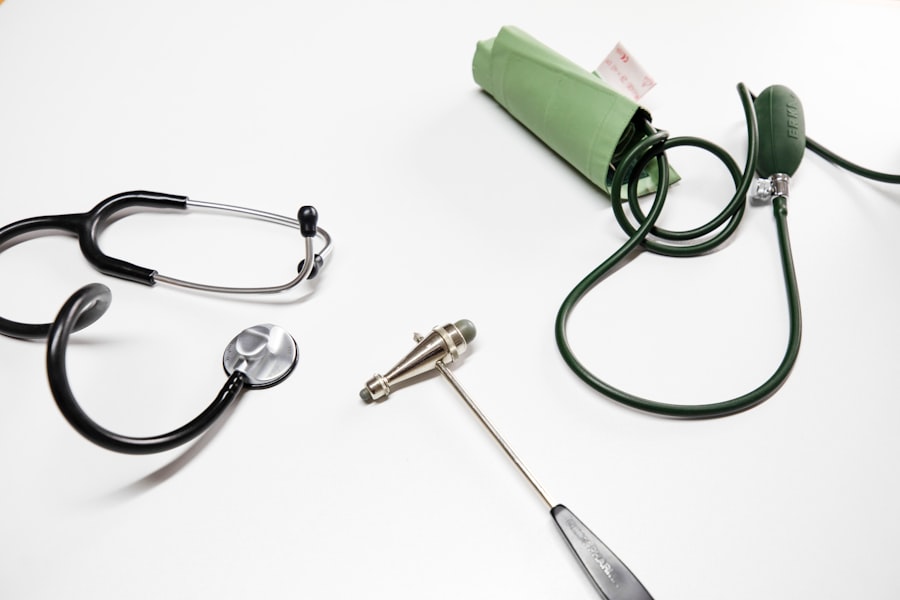
Proper documentation is vital for maximizing the self-employed health insurance deduction. Self-employed individuals should maintain meticulous records of all health insurance premiums paid throughout the year. This includes not only monthly premium payments but also any additional costs associated with health insurance, such as long-term care insurance or dental and vision coverage if these are included in a comprehensive plan.
Keeping detailed records helps ensure that taxpayers can substantiate their claims in case of an audit by the IRS. In addition to tracking premium payments, self-employed individuals should also retain documentation related to their business income and expenses. This includes profit and loss statements, invoices, and receipts that demonstrate net profit from the business.
By having a clear picture of their financial situation, self-employed individuals can accurately calculate their allowable deduction and avoid potential pitfalls during tax filing. Utilizing accounting software or hiring a professional accountant can streamline this process and help ensure that all necessary documentation is organized and readily available when tax season arrives.
Exploring Health Insurance Options for Self-Employed Individuals
Self-employed individuals have various health insurance options available to them, each with its own set of advantages and disadvantages. One common choice is to purchase individual health insurance plans through private insurers or state-based exchanges established under the Affordable Care Act (ACA). These plans can offer flexibility in terms of coverage options and premium costs but may require careful comparison shopping to find a plan that meets both healthcare needs and budget constraints.
Another option is joining a professional association or trade group that offers group health insurance plans to its members. These plans can provide more affordable premiums compared to individual plans due to the collective bargaining power of a larger group. Additionally, some self-employed individuals may consider short-term health insurance plans as a temporary solution during gaps in coverage; however, these plans often come with limitations on coverage and may not meet ACA requirements.
Understanding these various options allows self-employed individuals to make informed decisions about their healthcare coverage while maximizing potential tax benefits.
Utilizing Health Savings Accounts (HSAs) to Maximize Deductions
| Metric | Description | 2024 Limit/Value | Notes |
|---|---|---|---|
| Deductible Premiums | Health insurance premiums paid for self, spouse, dependents, and children under 27 | 100% of premiums paid | Must be for a plan established under the business |
| Eligibility | Who can claim the deduction | Self-employed individuals with net profit | Cannot claim if eligible for employer-subsidized health plan |
| Limit Based on Net Profit | Maximum deduction cannot exceed net profit from the business | Up to net profit amount | Net profit calculated after other business expenses |
| Types of Insurance Covered | Types of health insurance premiums eligible | Medical, dental, and long-term care insurance | Includes premiums for qualified long-term care insurance |
| Form Used | Tax form to report the deduction | Schedule 1 (Form 1040), Line 17 | Reported as an adjustment to income |
| Impact on Other Credits | Effect on eligibility for other tax credits | May reduce premium tax credit eligibility | Premiums deducted cannot be used for premium tax credit calculation |
Health Savings Accounts (HSAs) present an excellent opportunity for self-employed individuals to maximize their deductions while also saving for future medical expenses. HSAs are tax-advantaged accounts that allow individuals to set aside money for qualified medical expenses on a pre-tax basis. Contributions made to an HSA are tax-deductible, which means they can further reduce taxable income when filing taxes.
For 2023, individuals can contribute up to $3,850 to an HSA, while families can contribute up to $7,750. To qualify for an HSA, individuals must be enrolled in a high-deductible health plan (HDHP). These plans typically have lower premiums but higher deductibles than traditional health insurance plans.
The combination of lower upfront costs and tax advantages makes HSAs an attractive option for many self-employed individuals who are looking to manage healthcare expenses effectively. Furthermore, funds in an HSA roll over from year to year, allowing individuals to build savings for future healthcare needs without losing any contributions at year-end.
Taking Advantage of the Small Business Health Care Tax Credit

The Small Business Health Care Tax Credit is another valuable resource for self-employed individuals who may have employees or are considering expanding their businesses. This credit is designed to help small businesses afford health insurance coverage for their employees by providing a tax credit based on premiums paid. To qualify for this credit, businesses must have fewer than 25 full-time equivalent employees and pay average annual wages below a certain threshold.
The credit can cover up to 50% of premiums paid for small businesses (or 35% for tax-exempt organizations), making it an attractive option for those looking to provide health benefits while managing costs. Self-employed individuals who hire employees may find this credit particularly beneficial as it not only helps offset health insurance costs but also enhances employee satisfaction and retention by offering valuable benefits. Understanding eligibility requirements and calculating potential credits can significantly impact a small business’s financial health.
Seeking Professional Assistance for Maximizing Deductions
Navigating the complexities of tax deductions related to self-employment can be daunting, which is why seeking professional assistance is often advisable. Tax professionals or certified public accountants (CPAs) possess specialized knowledge about current tax laws and can provide tailored advice based on individual circumstances. They can help self-employed individuals identify all eligible deductions, including those related to health insurance, ensuring that no potential savings are overlooked.
Additionally, professionals can assist with proper documentation practices and record-keeping strategies that align with IRS requirements. They can also provide insights into tax planning strategies that may benefit self-employed individuals in both the short and long term. By leveraging professional expertise, self-employed individuals can navigate the intricacies of tax law more effectively and maximize their deductions while minimizing potential liabilities.
Staying Informed about Changes in Tax Laws Affecting Self-Employed Health Insurance Deductions
Tax laws are subject to change, and staying informed about these changes is crucial for self-employed individuals looking to maximize their deductions related to health insurance. Legislative updates at both federal and state levels can impact eligibility criteria, deduction limits, and available credits. For instance, changes in healthcare policies or tax reforms can alter how deductions are calculated or what types of plans qualify for certain benefits.
Self-employed individuals should regularly consult reliable sources such as the IRS website or professional tax advisors to stay updated on any changes that may affect their tax situation. Engaging with professional organizations or industry groups can also provide valuable insights into emerging trends and legislative developments relevant to self-employment and healthcare coverage. By remaining proactive in understanding these changes, self-employed individuals can make informed decisions that optimize their financial outcomes while ensuring compliance with current tax regulations.