

Tax preparation involves complex regulations that require specialized knowledge to navigate effectively. The U.S. tax code contains thousands of pages of rules, regulations, and frequent updates that can affect individual and business tax obligations.
Certified tax preparers complete formal education programs and maintain current credentials through continuing education requirements, enabling them to stay informed about tax law changes and their applications. Professional tax preparers can identify eligible deductions and credits that taxpayers may overlook when preparing returns independently. These may include business expense deductions, education credits, retirement contribution benefits, and industry-specific tax advantages.
Proper identification and documentation of these items can result in reduced tax liability or increased refunds. Tax preparation errors can trigger IRS audits, penalties, and interest charges. Common mistakes include mathematical errors, incorrect filing status, missing or inaccurate Social Security numbers, and failure to report all income sources.
Certified preparers use professional software and systematic review processes to minimize these errors and ensure compliance with current tax regulations. The tax filing process involves strict deadlines, with penalties imposed for late submissions. Professional preparers manage filing schedules and can obtain extensions when necessary.
They also provide representation services if the IRS requests additional information or initiates an audit, offering continued support beyond the initial filing process.
Key Takeaways
- Hiring a certified tax preparer ensures expert handling of your tax returns and compliance with tax laws.
- Certified tax preparers have specialized qualifications and knowledge to maximize your tax refunds.
- They help avoid common tax mistakes and reduce the risk of audits or penalties.
- Choosing the right preparer involves verifying credentials and assessing their experience with your tax situation.
- Effective communication and clear documentation enhance the benefits of working with a certified tax preparer.
Understanding the Qualifications and Expertise of a Certified Tax Preparer
Certified tax preparers come equipped with a range of qualifications that set them apart from non-certified individuals. Typically, they have completed rigorous training programs and passed examinations that assess their knowledge of tax laws, regulations, and ethical standards. Many certified tax preparers hold designations such as Certified Public Accountant (CPA), Enrolled Agent (EA), or Accredited Tax Advisor (ATA).
Each of these credentials requires ongoing education to maintain, ensuring that these professionals stay current with the latest changes in tax legislation. In addition to formal qualifications, certified tax preparers often have practical experience that enhances their ability to serve clients effectively. Many have worked in accounting firms or have extensive backgrounds in finance, providing them with a comprehensive understanding of both personal and business taxation.
This blend of education and experience equips them to handle a wide array of tax situations, from simple individual returns to complex corporate filings. Their expertise allows them to navigate the intricacies of various tax scenarios, ensuring that clients receive tailored advice that aligns with their unique financial circumstances.
How a Certified Tax Preparer Can Help Maximize Your Returns

One of the primary advantages of working with a certified tax preparer is their ability to maximize your tax returns. They possess an in-depth understanding of available deductions and credits that can significantly reduce taxable income. For instance, a certified tax preparer can identify eligible expenses related to education, healthcare, or home office deductions that many taxpayers overlook.
By leveraging their knowledge of the tax code, they can help clients take full advantage of these opportunities, ultimately leading to increased refunds or reduced liabilities. Furthermore, certified tax preparers are adept at employing strategic tax planning techniques throughout the year, rather than just during tax season. They can advise clients on how to structure their finances in a way that minimizes tax burdens over time.
For example, they might recommend contributing to retirement accounts or utilizing health savings accounts (HSAs) as a means to lower taxable income while simultaneously preparing for future financial needs. This proactive approach not only maximizes returns but also fosters long-term financial health.
The Benefits of Working with a Certified Tax Preparer
The benefits of collaborating with a certified tax preparer extend beyond mere financial gains. One significant advantage is the personalized service they provide. Unlike generic software solutions or inexperienced preparers, certified professionals take the time to understand each client’s unique financial situation.
This personalized attention allows them to offer tailored advice and strategies that align with individual goals and circumstances. Additionally, certified tax preparers often provide ongoing support throughout the year, not just during tax season. This continuous relationship can be invaluable for clients who may have questions or need guidance on financial decisions that could impact their taxes.
Whether it’s navigating changes in income, investments, or life events such as marriage or home purchases, having a trusted advisor available for consultation can lead to more informed decision-making and better financial outcomes.
Avoiding Common Mistakes and Pitfalls with the Help of a Certified Tax Preparer
| Metric | Value | Description |
|---|---|---|
| Average Annual Salary | 50,000 | Median income for certified tax preparers in the US |
| Certification Exam Pass Rate | 70% | Percentage of candidates passing the IRS Registered Tax Return Preparer exam |
| Number of Certified Tax Preparers | 80,000 | Estimated number of certified tax preparers in the United States |
| Continuing Education Hours Required | 15 hours/year | Minimum annual continuing education to maintain certification |
| Client Satisfaction Rate | 85% | Percentage of clients satisfied with services provided by certified tax preparers |
Tax preparation is fraught with potential pitfalls that can lead to costly mistakes if not handled correctly. Common errors include miscalculating deductions, failing to report all sources of income, or overlooking important deadlines. A certified tax preparer plays a crucial role in helping clients avoid these missteps by applying their expertise and attention to detail throughout the preparation process.
Their thorough review of documents and meticulous approach ensures that all information is accurate and complete before submission. Moreover, certified tax preparers are well-versed in identifying red flags that could trigger audits or inquiries from the IRS. They understand what aspects of a return may raise suspicion and can guide clients in presenting their financial information transparently and accurately.
This proactive approach not only minimizes the risk of audits but also provides clients with confidence in their filings.
How to Choose the Right Certified Tax Preparer for Your Needs
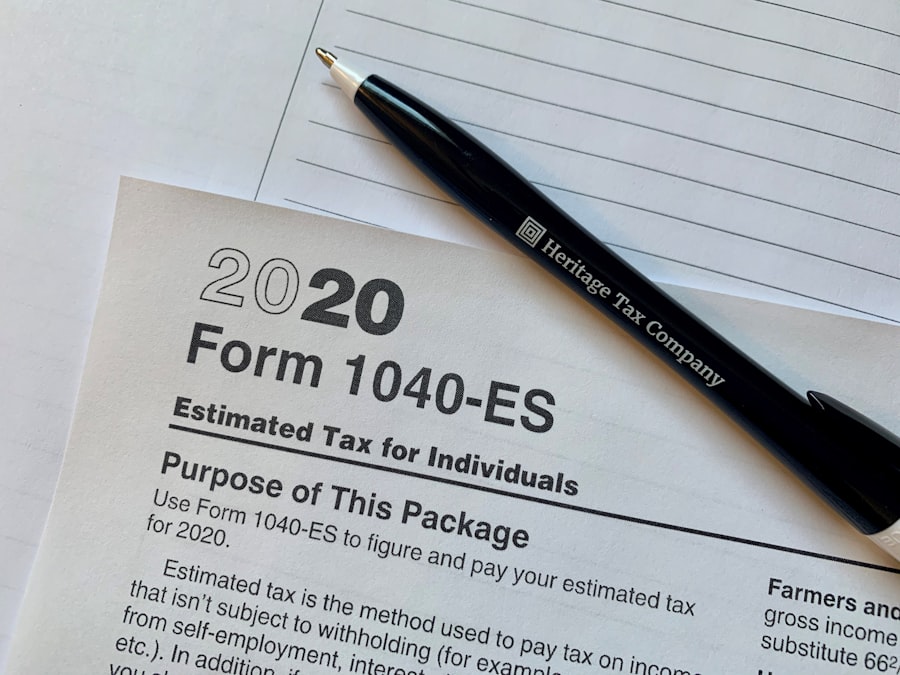
Selecting the right certified tax preparer is a critical decision that can significantly impact your financial well-being. When searching for a qualified professional, it is essential to consider their credentials and experience in relation to your specific needs. For instance, if you are a business owner, seeking out a preparer with expertise in corporate taxation may be beneficial.
Conversely, individuals with straightforward personal finances may prioritize finding someone who specializes in individual returns. Additionally, it is advisable to conduct interviews with potential candidates to gauge their communication style and approach to client service. A good tax preparer should be willing to explain complex concepts in understandable terms and demonstrate a genuine interest in helping you achieve your financial goals.
Checking references and reading reviews can also provide insight into their reputation and reliability within the community.
The Role of a Certified Tax Preparer in Ensuring Compliance with Tax Laws
Compliance with tax laws is paramount for individuals and businesses alike, as failure to adhere to regulations can result in severe penalties and legal repercussions. Certified tax preparers play an essential role in ensuring that clients remain compliant by staying informed about current laws and regulations. They are trained to interpret complex legal language and apply it appropriately to each client’s situation.
Moreover, certified tax preparers often utilize advanced software tools designed to flag potential compliance issues before submission. These tools help identify discrepancies or areas where additional documentation may be required, further safeguarding clients against potential audits or penalties. By working closely with clients throughout the year, they can also provide guidance on changes in tax laws that may affect future filings, ensuring ongoing compliance.
Tips for Working Effectively with a Certified Tax Preparer
To maximize the benefits of working with a certified tax preparer, effective communication is key. Clients should come prepared with all necessary documentation, including income statements, expense records, and any relevant financial information. Providing complete and accurate information upfront allows the preparer to work efficiently and reduces the likelihood of errors or omissions.
Additionally, maintaining an open line of communication throughout the year can enhance the working relationship between client and preparer. Clients should feel comfortable asking questions or seeking clarification on any aspect of their taxes or financial planning. Regular check-ins can also help ensure that both parties are aligned on goals and strategies as circumstances change over time.
In conclusion, hiring a certified tax preparer is an investment in your financial future that offers numerous advantages ranging from maximizing returns to ensuring compliance with complex regulations. By understanding their qualifications, expertise, and the value they bring to the table, individuals and businesses can make informed decisions about their tax preparation needs while avoiding common pitfalls along the way.