
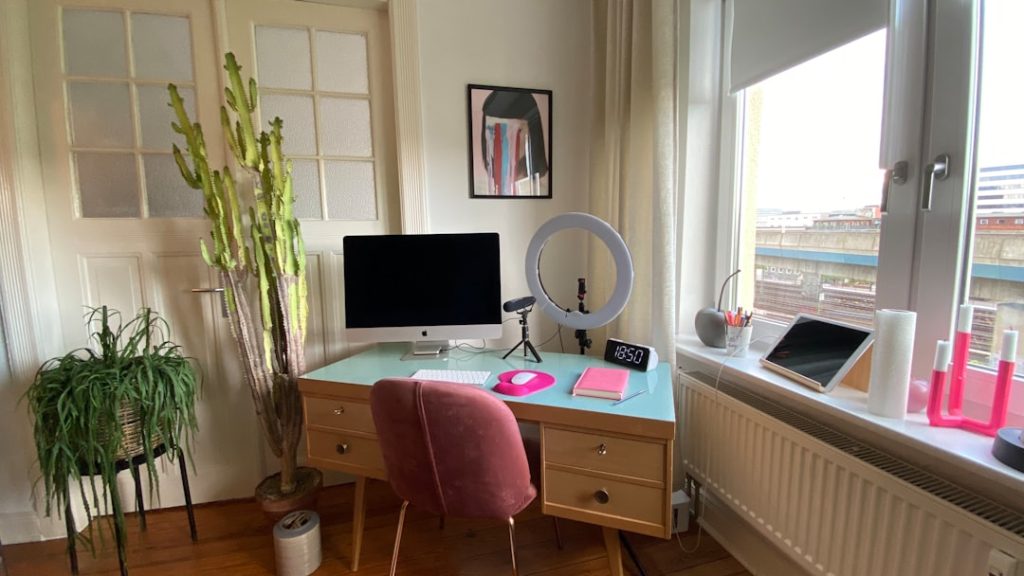
The concept of home office expenses has gained significant traction in recent years, particularly as remote work becomes increasingly prevalent. Home office expenses refer to the costs incurred by individuals who use a portion of their home exclusively for business purposes. This can include a variety of expenses such as utilities, internet service, and even depreciation on the home itself.
The IRS recognizes that many employees and self-employed individuals have shifted to working from home, and as a result, they have established guidelines for what constitutes a legitimate home office expense. To qualify as a home office, the space must be used regularly and exclusively for business activities. This means that a spare bedroom or a designated area in the living room can be considered a home office if it is not used for personal activities.

The importance of this distinction cannot be overstated, as it directly impacts the ability to claim deductions. Understanding the nuances of what qualifies as a home office is crucial for anyone looking to take advantage of potential tax benefits associated with their work-from-home situation.
Key Takeaways
- Home office expenses can be tax-deductible if specific eligibility criteria are met.
- Only certain expenses directly related to the home office, like utilities and maintenance, qualify for deductions.
- Keeping detailed and accurate records is essential for claiming home office tax benefits.
- Calculating tax benefits requires understanding the proportion of your home used exclusively for work.
- Consulting a tax professional can help maximize deductions and avoid common filing mistakes.
Eligibility for Home Office Tax Benefits

Eligibility for home office tax benefits hinges on several key factors. First and foremost, the taxpayer must be using the space exclusively for business purposes. This requirement is strictly enforced by the IRS, which means that any dual-use of the space—such as using a home office for personal activities—can disqualify an individual from claiming deductions.
Additionally, the taxpayer must be either self-employed or an employee who has been required to work from home by their employer. Employees who work from home voluntarily may not qualify for these deductions unless they meet specific criteria set forth by the IRS. Another critical aspect of eligibility is the nature of the business activities conducted in the home office.
For self-employed individuals, the business must be a legitimate enterprise that generates income. For employees, the home office must be necessary for their job duties, and they must not have access to an alternative workspace provided by their employer. Understanding these eligibility requirements is essential for taxpayers to navigate the complexities of claiming home office deductions effectively.
Deductible Home Office Expenses

When it comes to deductible home office expenses, there are two primary methods that taxpayers can use: the simplified method and the regular method. The simplified method allows taxpayers to deduct a flat rate per square foot of their home office space, up to a maximum of 300 square feet. This method is straightforward and requires minimal record-keeping, making it an attractive option for many individuals.
For example, if someone has a home office that measures 200 square feet, they could potentially deduct $1,000 (200 square feet x $5 per square foot) from their taxable income. On the other hand, the regular method involves calculating actual expenses related to the home office. This can include a percentage of mortgage interest, property taxes, utilities, repairs, and even homeowners insurance.
To determine the deductible amount using this method, taxpayers must first calculate the percentage of their home that is used for business purposes. For instance, if a taxpayer’s home is 2,000 square feet and their home office is 400 square feet, they would use 20% (400/2000) to allocate expenses accordingly. This method can yield larger deductions but requires more detailed record-keeping and documentation.
Record-keeping for Home Office Expenses
Effective record-keeping is paramount when it comes to claiming home office expenses on tax returns. Taxpayers must maintain accurate and organized records to substantiate their claims in case of an audit. This includes keeping receipts for all relevant expenses such as utilities, internet bills, and any repairs made specifically to the home office space.
Additionally, it is advisable to maintain a log or journal detailing how each expense relates to business activities. For those using the regular method, meticulous documentation becomes even more critical. Taxpayers should track not only direct expenses related to the home office but also indirect expenses that can be allocated based on the percentage of space used for business purposes.
For example, if a homeowner pays $2,000 in annual property taxes and uses 20% of their home for business, they could potentially deduct $400 (20% of $2,000) as a business expense. Utilizing accounting software or spreadsheets can help streamline this process and ensure that all necessary information is readily available when tax season arrives.
Calculating Home Office Tax Benefits
| Expense Category | Average Monthly Cost | Tax Deductible | Notes |
|---|---|---|---|
| Internet | 60 | Yes | Proportion used for work can be deducted |
| Electricity | 40 | Yes | Only the portion related to home office usage |
| Office Supplies | 30 | Yes | Includes paper, pens, printer ink |
| Furniture | 15 | Yes | Depreciated over several years |
| Rent (portion) | 300 | Yes | Based on percentage of home used for office |
| Cleaning Services | 20 | Yes | Only if specifically for home office area |
Calculating home office tax benefits can be complex due to the various methods available and the need for precise record-keeping. For those opting for the simplified method, the calculation is relatively straightforward: multiply the square footage of the home office by the prescribed rate per square foot. However, taxpayers should also consider whether this method maximizes their potential deductions compared to the regular method.
For individuals using the regular method, calculations involve determining both direct and indirect expenses associated with maintaining the home office. Direct expenses are those that pertain solely to the home office—such as paint or furniture specifically purchased for that space—while indirect expenses are shared costs like utilities or mortgage interest that need to be prorated based on the percentage of space used for business purposes. It’s essential to ensure that all calculations are accurate and well-documented to avoid issues with tax authorities.
Common Mistakes to Avoid

Navigating the intricacies of home office deductions can lead to several common pitfalls that taxpayers should be aware of. One frequent mistake is failing to meet the exclusive use requirement. Many individuals mistakenly believe they can claim deductions for spaces that are not used solely for business purposes, which can lead to disqualification of their claims.
It’s crucial to clearly delineate which areas of the home are designated for work and ensure that personal use does not encroach upon these spaces. Another common error involves inadequate record-keeping. Taxpayers often underestimate the importance of maintaining thorough documentation and may find themselves unprepared in case of an audit.
Failing to keep receipts or logs detailing business-related expenses can jeopardize claims and result in lost deductions. Additionally, some individuals may overlook certain deductible expenses altogether or miscalculate their deductions by not accurately applying the percentage of business use when prorating shared costs.
Other Tax Benefits for Home Office Expenses
Beyond direct deductions related to home office expenses, there are additional tax benefits that individuals may be eligible for when working from home. For instance, self-employed individuals may qualify for other deductions such as health insurance premiums or retirement contributions that can further reduce taxable income. Additionally, if a taxpayer has made improvements to their home office space—such as installing energy-efficient lighting or upgrading insulation—they may also be eligible for energy tax credits.
Moreover, certain states offer additional tax incentives for remote workers or those who operate businesses from their homes. These incentives can vary widely depending on local regulations and may include credits or deductions specific to small businesses or telecommuting employees. It’s essential for taxpayers to research both federal and state tax benefits available to them in order to maximize their overall tax savings.
Seeking Professional Advice for Maximizing Tax Benefits
Given the complexities surrounding home office deductions and related tax benefits, seeking professional advice can be invaluable for taxpayers looking to optimize their financial situation. Tax professionals possess in-depth knowledge of current tax laws and regulations and can provide tailored guidance based on individual circumstances. They can help identify all eligible deductions and ensure compliance with IRS requirements while minimizing the risk of errors.
Additionally, tax advisors can assist in developing effective record-keeping strategies and provide insights into potential changes in tax legislation that may impact future claims. By leveraging their expertise, individuals can navigate the intricacies of tax filings with confidence and potentially uncover additional savings opportunities that may have otherwise gone unnoticed. Engaging with a qualified tax professional not only simplifies the process but also empowers taxpayers to make informed decisions regarding their financial well-being in relation to their home office expenses.

