

In the modern business landscape, accounting software has become an indispensable tool for organizations of all sizes. One of the primary benefits of utilizing such software is the significant enhancement in efficiency it offers. Traditional accounting methods, often reliant on manual processes, can be time-consuming and prone to human error.
By automating routine tasks such as invoicing, payroll processing, and expense tracking, accounting software allows businesses to allocate their resources more effectively. This not only saves time but also reduces the likelihood of costly mistakes that can arise from manual data entry. Moreover, accounting software provides real-time financial insights that are crucial for informed decision-making.

With features that allow for instant access to financial reports and dashboards, business owners can monitor their financial health at a glance. This immediacy enables proactive management of cash flow, budgeting, and forecasting. For instance, a small business owner can quickly assess their revenue trends over the past quarter and make necessary adjustments to their marketing strategy or operational expenditures.
The ability to generate detailed reports with just a few clicks empowers businesses to stay agile and responsive to market changes.
Key Takeaways
- Accounting software helps businesses streamline financial processes and automate data entry and reporting.
- Choosing the right accounting software is crucial for enhancing financial analysis and decision-making.
- Integrating accounting software with other business systems can improve collaboration and communication.
- Accounting software ensures data security and compliance with regulations, providing peace of mind for businesses.
- Understanding the benefits of accounting software is essential for maximizing its potential in improving financial management.

Choosing the Right Accounting Software for Your Business
Selecting the appropriate accounting software is a critical decision that can significantly impact a business’s financial management. The first step in this process is to assess the specific needs of the organization. Different businesses have varying requirements based on their size, industry, and operational complexity.
For example, a startup may prioritize user-friendly interfaces and basic functionalities, while a larger enterprise might require advanced features such as multi-currency support and comprehensive reporting capabilities. Conducting a thorough needs assessment helps in narrowing down options that align with the business’s objectives. Another essential factor to consider is scalability.
As businesses grow, their accounting needs evolve, necessitating software that can adapt accordingly. Choosing a solution that offers modular features or can integrate with other systems ensures that the software remains relevant as the organization expands. Additionally, evaluating customer support and training resources is vital.
A robust support system can make a significant difference in how effectively a business can implement and utilize the software. Reading user reviews and seeking recommendations from peers can provide valuable insights into the reliability and performance of different accounting solutions.
Streamlining Financial Processes with Accounting Software
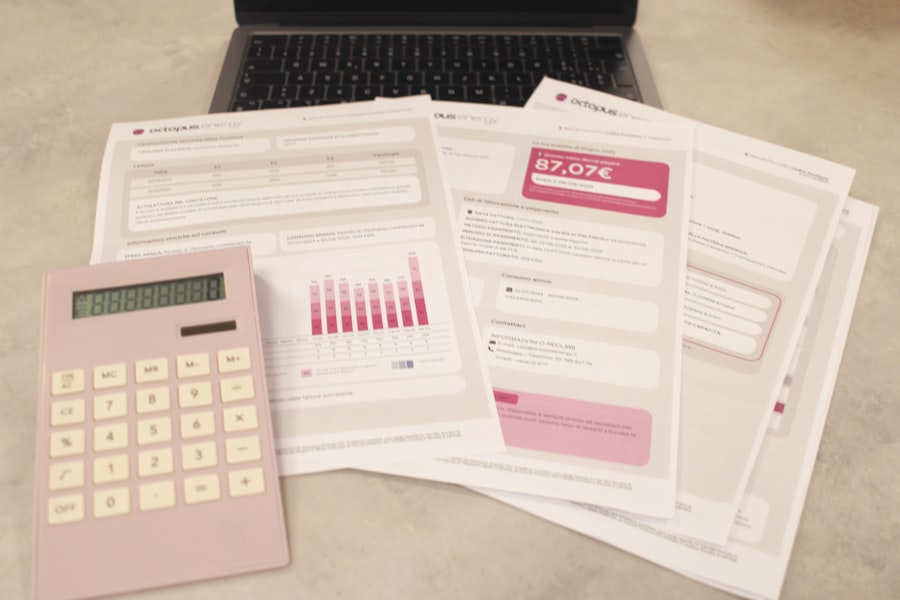
The implementation of accounting software can lead to a remarkable streamlining of financial processes within an organization. By automating repetitive tasks such as invoice generation and payment reminders, businesses can significantly reduce administrative burdens. For instance, instead of manually tracking invoices and following up on overdue payments, accounting software can automatically send reminders to clients, ensuring timely payments and improving cash flow management.
This automation not only enhances efficiency but also allows finance teams to focus on more strategic activities rather than getting bogged down by routine tasks. Furthermore, accounting software facilitates better organization of financial data. Traditional methods often involve stacks of paperwork or disparate spreadsheets that can be challenging to manage and reconcile.
In contrast, accounting software centralizes all financial information in one accessible platform. This consolidation simplifies processes such as month-end closing and auditing, as all necessary data is readily available and organized. For example, during an audit, having all financial records stored electronically allows for quicker retrieval of documents and reduces the stress associated with compliance checks.
Integrating Accounting Software with Other Business Systems
| Integration Type | Benefits | Challenges |
|---|---|---|
| CRM Integration | Improved customer insights, streamlined sales process | Data synchronization, compatibility issues |
| Inventory Management Integration | Real-time inventory tracking, accurate financial reporting | Data accuracy, system complexity |
| Payroll Integration | Automated payroll processing, reduced manual errors | Regulatory compliance, data security |
The integration of accounting software with other business systems is a crucial aspect that enhances overall operational efficiency. Many organizations utilize various software solutions for different functions—such as customer relationship management (CRM), inventory management, and e-commerce platforms. When these systems are integrated with accounting software, data flows seamlessly between them, eliminating the need for manual data entry and reducing the risk of errors.
For instance, when a sale is made through an e-commerce platform, the transaction details can automatically update in the accounting system without any additional input from staff. This interconnectedness not only streamlines operations but also provides a holistic view of the business’s performance. By integrating accounting software with CRM systems, businesses can gain insights into customer purchasing behaviors alongside their financial data.
This comprehensive perspective enables more informed decision-making regarding marketing strategies and inventory management. For example, if sales data indicates a surge in demand for a particular product, businesses can adjust their inventory levels accordingly while also analyzing the financial implications of increased production.
Automating Data Entry and Reporting with Accounting Software
One of the standout features of modern accounting software is its ability to automate data entry and reporting processes. Manual data entry is not only labor-intensive but also susceptible to errors that can lead to significant financial discrepancies. Accounting software mitigates this risk by allowing users to import data directly from bank statements or other financial documents through features like optical character recognition (OCR).
This automation ensures that transactions are recorded accurately and promptly, freeing up valuable time for finance teams to engage in more analytical tasks. In addition to data entry automation, reporting capabilities have also evolved significantly with accounting software. Users can generate customized reports at any time, providing insights into various aspects of their financial performance—such as profit margins, expense categories, and cash flow trends.
For example, a business owner can create a detailed profit-and-loss statement in seconds rather than spending hours compiling data from multiple sources. This capability not only enhances productivity but also empowers businesses to make timely decisions based on accurate financial information.
Enhancing Financial Analysis and Decision-Making with Accounting Software

The analytical capabilities of accounting software play a pivotal role in enhancing financial analysis and decision-making processes within organizations. With access to real-time data and advanced reporting tools, businesses can conduct in-depth analyses of their financial performance. For instance, they can track key performance indicators (KPIs) such as return on investment (ROI), gross profit margins, and operating expenses over time.
This level of analysis allows organizations to identify trends and patterns that inform strategic planning. Moreover, many accounting software solutions offer forecasting tools that leverage historical data to predict future financial outcomes. By analyzing past performance metrics, businesses can create more accurate budgets and forecasts that align with their growth objectives.
For example, if historical sales data indicates seasonal fluctuations in revenue, businesses can adjust their marketing efforts or inventory levels accordingly to capitalize on peak periods. This proactive approach to financial management fosters a culture of informed decision-making that is essential for long-term success.
Improving Collaboration and Communication with Accounting Software
Collaboration and communication are vital components of effective financial management within any organization. Accounting software enhances these aspects by providing a centralized platform where team members can access financial information in real-time. This transparency fosters collaboration among departments such as finance, sales, and operations, as everyone has access to the same up-to-date data.
For instance, sales teams can view customer payment histories directly within the accounting system, enabling them to make informed decisions about credit terms or payment plans. Additionally, many accounting software solutions offer features that facilitate communication among team members through built-in messaging or commenting systems. This functionality allows users to discuss specific transactions or reports without leaving the platform, streamlining communication processes.
For example, if a finance team member has a question about an expense report, they can tag relevant colleagues directly within the software for clarification rather than resorting to lengthy email threads or meetings. This improved communication not only saves time but also enhances overall team cohesion.
Ensuring Data Security and Compliance with Accounting Software
In an era where data breaches are increasingly common, ensuring data security is paramount for any organization utilizing accounting software. Reputable accounting software providers implement robust security measures such as encryption protocols, multi-factor authentication, and regular security audits to protect sensitive financial information from unauthorized access. Businesses must prioritize selecting software solutions that adhere to industry standards for data protection to safeguard their financial data effectively.
Compliance with regulatory requirements is another critical consideration when using accounting software. Many jurisdictions have specific regulations governing financial reporting and data privacy that organizations must adhere to. Accounting software often includes features designed to help businesses maintain compliance by automating tax calculations and generating reports that meet regulatory standards.
For instance, businesses operating in multiple states may benefit from software that automatically adjusts tax rates based on location-specific regulations. By leveraging these compliance features, organizations can mitigate risks associated with non-compliance while ensuring accurate reporting practices. In conclusion, the adoption of accounting software presents numerous advantages for businesses seeking to enhance their financial management processes.
From improving efficiency through automation to facilitating better collaboration among teams, these tools are essential for navigating today’s complex business environment effectively. As organizations continue to evolve in response to market demands, leveraging technology like accounting software will remain crucial for achieving sustainable growth and success.
