

Home improvement tax deductions can be a complex yet rewarding aspect of homeownership. Many homeowners are unaware that certain renovations and upgrades can lead to significant tax benefits. The Internal Revenue Service (IRS) has specific guidelines regarding what qualifies as a deductible expense, and understanding these nuances is crucial for maximizing potential savings.
Generally, home improvements that add value to the property, prolong its useful life, or adapt it for new uses may be eligible for deductions. However, it is essential to differentiate between repairs and improvements; while repairs maintain the property’s current condition, improvements enhance its value or functionality. For instance, if a homeowner decides to remodel a kitchen by installing new cabinets and countertops, this would typically qualify as an improvement.

Conversely, simply repainting the walls or fixing a leaky faucet would be classified as a repair and would not be deductible. Additionally, the tax implications can vary based on whether the homeowner uses the property as a primary residence or as a rental property. For rental properties, many improvements can be depreciated over time, providing ongoing tax benefits.
Understanding these distinctions is vital for homeowners looking to navigate the tax landscape effectively.
Key Takeaways
- Home improvement tax deductions can reduce your taxable income when you understand eligible expenses.
- Keep detailed records and receipts to support your claims for home improvement deductions.
- Energy-efficient upgrades may qualify for special tax credits, lowering your overall tax bill.
- Consult a tax professional to navigate complex rules and maximize your tax benefits.
- Plan the timing of your projects and explore state/local incentives to enhance your savings.

Eligible Home Improvement Expenses
When considering which home improvement expenses are eligible for tax deductions, it is important to recognize that not all renovations will qualify. The IRS outlines specific categories of improvements that can be deducted or depreciated. For example, energy-efficient upgrades such as solar panels, energy-efficient windows, and insulation improvements often qualify for tax credits.
These types of projects not only enhance the home’s value but also contribute to long-term savings on energy bills, making them a win-win for homeowners. Moreover, significant renovations that increase the overall square footage of a home, such as adding a new room or finishing a basement, may also be eligible for deductions. These improvements can lead to an increase in property value and may provide tax benefits when the home is sold.
Homeowners should also consider improvements that make their homes more accessible, such as installing ramps or modifying bathrooms for better accessibility. These types of modifications can qualify for deductions under certain circumstances, particularly if they are made for medical reasons or to accommodate disabilities.
Keeping Detailed Records
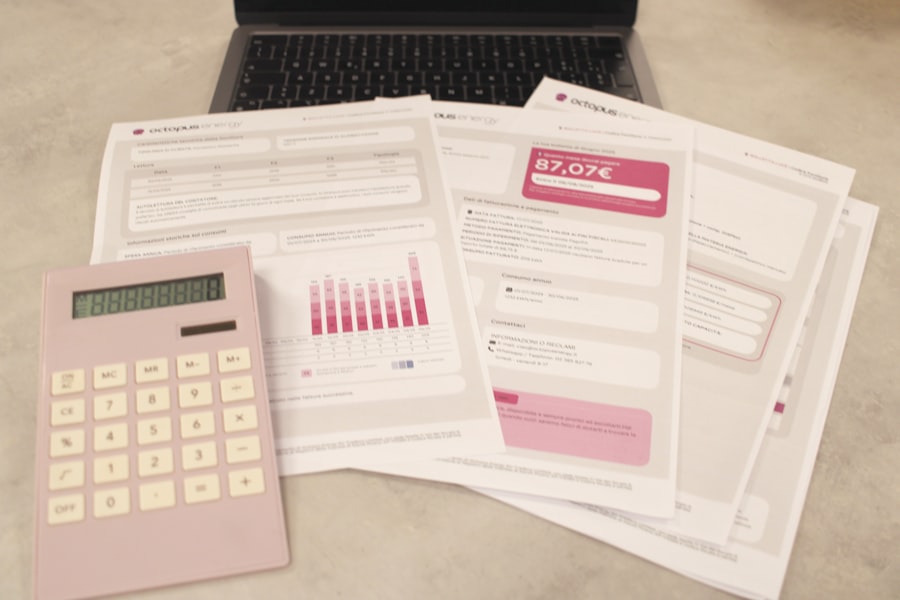
Maintaining meticulous records of all home improvement expenses is essential for homeowners seeking to take advantage of tax deductions. The IRS requires documentation to substantiate claims for deductions, and having organized records can simplify the process significantly. Homeowners should keep receipts, invoices, and contracts related to each project, as these documents serve as proof of the expenses incurred.
Additionally, it is advisable to document the purpose of each improvement and how it enhances the property’s value or functionality. In addition to receipts, homeowners should maintain a detailed log of all work performed on their property. This log should include dates, descriptions of the work completed, and any relevant correspondence with contractors or suppliers.
By keeping thorough records, homeowners can ensure they have all necessary documentation ready in case of an audit or inquiry from the IRS. Furthermore, digital tools and apps designed for expense tracking can help streamline this process, making it easier to categorize and store information related to home improvements.
Taking Advantage of Energy Efficiency Credits
One of the most beneficial aspects of home improvement tax deductions is the availability of energy efficiency credits. The federal government encourages homeowners to invest in energy-efficient upgrades through various tax incentives. For instance, installing solar panels can provide substantial tax credits under the Investment Tax Credit (ITC), which allows homeowners to deduct a percentage of the installation costs from their federal taxes.
This credit has been extended multiple times and is set to decrease gradually over the coming years, making it an opportune time for homeowners to consider such investments. In addition to solar energy systems, other energy-efficient upgrades may qualify for tax credits as well. For example, replacing old heating and cooling systems with Energy Star-rated appliances can lead to significant savings on both utility bills and taxes.
Homeowners should research available credits and ensure they meet all eligibility requirements before proceeding with any upgrades. It is also beneficial to consult with professionals who specialize in energy efficiency to maximize potential savings and ensure compliance with all regulations.
Consulting with a Tax Professional
| Home Improvement Type | Tax Deduction Eligibility | Maximum Deductible Amount | Notes |
|---|---|---|---|
| Energy-Efficient Windows | Yes | Up to 500 | Must meet Energy Star requirements |
| Solar Panels | Yes | 30% of installation cost | Applies to residential solar energy systems |
| Roof Insulation | Yes | Up to 500 | Must meet energy efficiency standards |
| General Repairs (e.g., painting, fixing leaks) | No | 0 | Considered maintenance, not deductible |
| Medical Home Improvements (e.g., ramps, grab bars) | Yes | Costs exceeding increase in home value | Must be medically necessary |
| Home Office Improvements | Yes | Based on home office deduction rules | Must be exclusive and regular use for business |
Navigating the intricacies of home improvement tax deductions can be daunting, which is why consulting with a tax professional is often advisable. Tax professionals possess in-depth knowledge of current tax laws and can provide personalized guidance based on individual circumstances. They can help homeowners identify eligible expenses and ensure that all necessary documentation is in order before filing taxes.
This expertise can be particularly valuable when dealing with complex situations such as mixed-use properties or significant renovations. Moreover, tax professionals can assist homeowners in understanding how various improvements may impact their overall tax situation. For instance, they can provide insights into how certain deductions may affect capital gains taxes when selling a home in the future.
By working with a knowledgeable advisor, homeowners can make informed decisions about their renovation projects and optimize their tax benefits effectively.
Timing Your Home Improvement Projects

The timing of home improvement projects can significantly influence their tax implications. Homeowners should consider planning renovations strategically to align with their financial goals and tax situations. For example, if a homeowner anticipates a higher income in the coming year, it may be advantageous to delay certain improvements until then to maximize potential deductions when filing taxes.
Conversely, if a homeowner expects a lower income or significant changes in their financial situation, completing projects sooner may yield better immediate benefits. Additionally, some tax credits and deductions have specific deadlines or phases out over time. Homeowners should stay informed about any changes in tax laws that may affect their eligibility for certain credits or deductions based on when they complete their projects.
By being proactive about timing and planning renovations accordingly, homeowners can enhance their financial outcomes while ensuring they take full advantage of available tax benefits.
Exploring State and Local Tax Incentives
In addition to federal tax deductions and credits, many states and local governments offer their own incentives for home improvements. These incentives can vary widely depending on location and may include property tax exemptions for energy-efficient upgrades or rebates for specific renovations aimed at improving sustainability. Homeowners should research local programs that may complement federal incentives and provide additional savings opportunities.
For instance, some states have implemented programs that offer rebates for installing energy-efficient appliances or making significant upgrades to heating and cooling systems. Local governments may also provide grants or low-interest loans for homeowners looking to make necessary repairs or improvements that enhance community safety or aesthetics. By exploring these state and local incentives, homeowners can further maximize their savings while contributing positively to their communities.
Maximizing Your Savings with Strategic Planning
To truly maximize savings from home improvement projects, strategic planning is essential. Homeowners should begin by assessing their long-term goals for their property and identifying which improvements will yield the highest return on investment (ROI). Prioritizing projects based on potential value increases and available tax benefits can help homeowners make informed decisions about where to allocate their resources.
Additionally, homeowners should consider bundling projects together when possible to take advantage of economies of scale. For example, if a homeowner plans to replace windows and install insulation simultaneously, coordinating these projects can lead to cost savings on labor and materials while maximizing potential energy efficiency credits. By approaching home improvements with a strategic mindset and leveraging available resources effectively, homeowners can enhance both their living spaces and their financial well-being through thoughtful planning and execution.
