
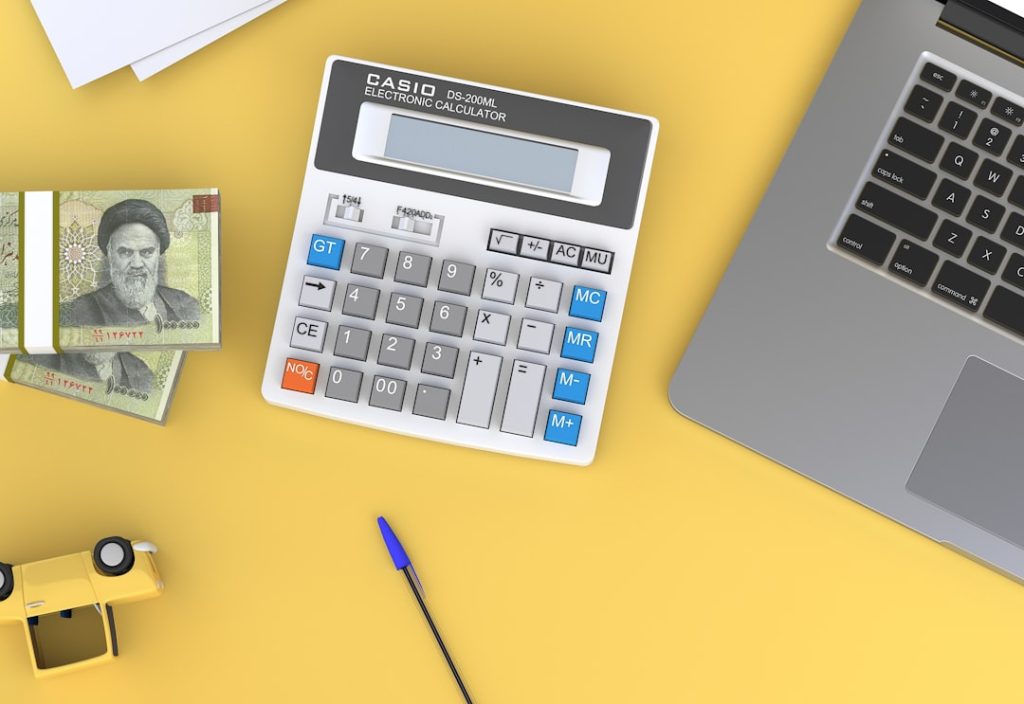
Personal accounting software consists of digital applications that help individuals track their income, expenses, and investments to improve financial management. These tools have developed from basic spreadsheet programs into comprehensive platforms that include features such as automatic transaction monitoring, budget creation, and financial report generation. This evolution represents the growing shift toward digital financial management solutions that prioritize user convenience and operational efficiency.
Personal accounting software serves various user groups with different financial needs. Students can monitor limited budgets, working professionals can navigate complex income structures, and retirees can optimize their savings strategies. These applications provide real-time data on spending patterns and overall financial status, enabling users to make informed decisions that support their financial objectives.

The software creates a structured framework for understanding and controlling personal finances, which is essential for achieving long-term financial goals.
Key Takeaways
- Personal accounting software simplifies managing personal finances by organizing income, expenses, and budgets.
- Using such software offers benefits like improved financial tracking, better budgeting, and enhanced financial decision-making.
- Selecting the right software depends on individual needs, features, ease of use, and compatibility with other tools.
- Customizing the software and categorizing expenses helps tailor financial tracking to personal habits and goals.
- Integrating accounting software with other financial tools enables comprehensive financial analysis and streamlined management.
Benefits of Using Personal Accounting Software

The advantages of utilizing personal accounting software are manifold, with the most significant being the enhancement of financial awareness. By consolidating all financial information into one platform, users can easily monitor their income and expenditures. This holistic view allows individuals to identify spending patterns that may not be apparent when reviewing bank statements alone.
For instance, a user might discover that they are spending excessively on dining out or subscription services, prompting them to adjust their habits accordingly. This level of awareness is crucial for anyone looking to improve their financial situation. Another key benefit is the time-saving aspect of personal accounting software.
Manual bookkeeping can be tedious and prone to errors, especially when dealing with multiple accounts or transactions. Personal accounting software automates many of these processes, allowing users to import transactions directly from their bank accounts or credit cards. This automation not only reduces the likelihood of mistakes but also frees up valuable time that can be better spent on other important tasks.
For example, a busy professional can quickly reconcile their accounts at the end of the month without having to sift through piles of receipts or manually enter data.
Choosing the Right Personal Accounting Software for Your Needs

Selecting the appropriate personal accounting software requires careful consideration of individual needs and preferences. The first step in this process is to assess one’s financial situation and goals. For instance, someone who primarily wants to track expenses may not need the advanced investment tracking features offered by more comprehensive software.
Conversely, an individual with multiple income streams or investment portfolios might benefit from a more robust solution that includes detailed reporting and analysis tools. Another critical factor in choosing personal accounting software is usability. The interface should be intuitive and user-friendly, allowing individuals to navigate the platform with ease.
Many software options offer free trials or demos, which can be invaluable in determining whether a particular program meets one’s needs. Additionally, it’s essential to consider compatibility with other devices and platforms. For example, if a user frequently accesses their finances on mobile devices, they should look for software that offers a seamless mobile experience or dedicated apps.
Setting Up and Customizing Your Personal Accounting Software
Once the right personal accounting software has been selected, the next step is setting it up and customizing it to fit individual preferences. The initial setup typically involves creating an account and linking bank accounts or credit cards for automatic transaction imports. This process can vary in complexity depending on the software chosen; some may require manual entry of account details while others offer direct integration with financial institutions.
Customization is equally important in ensuring that the software aligns with personal financial goals. Users can often create categories for expenses that reflect their unique spending habits—such as groceries, entertainment, or travel—allowing for more accurate tracking and analysis. Additionally, many programs allow users to set up recurring transactions for regular expenses like rent or subscriptions, which can streamline the budgeting process.
By tailoring the software to their specific needs, users can maximize its effectiveness in managing their finances.
Tracking and Categorizing Expenses
| Software | Platform | Key Features | Pricing Model | User Rating (out of 5) | Best For |
|---|---|---|---|---|---|
| Quicken | Windows, Mac, Mobile | Budgeting, Bill Pay, Investment Tracking | Subscription | 4.2 | Comprehensive personal finance management |
| YNAB (You Need A Budget) | Windows, Mac, Mobile | Zero-based budgeting, Goal tracking | Subscription | 4.7 | Budget-focused users |
| Mint | Web, Mobile | Expense tracking, Bill reminders, Credit score monitoring | Free (ad-supported) | 4.0 | Basic budgeting and expense tracking |
| Personal Capital | Web, Mobile | Investment tracking, Retirement planning | Free (with optional advisory services) | 4.3 | Investment-focused personal finance |
| Moneydance | Windows, Mac, Linux | Online banking, Bill payment, Investment tracking | One-time purchase | 4.1 | Offline personal finance management |
Effective expense tracking is at the heart of personal accounting software functionality. By diligently recording all transactions—whether through automatic imports or manual entries—users can gain insights into their spending habits over time. Most personal accounting software provides features that allow users to categorize expenses into predefined groups or custom categories they create themselves.
This categorization is crucial for understanding where money is going and identifying areas for potential savings. For example, a user might categorize their expenses into essential categories such as housing, utilities, transportation, and discretionary spending like dining out or entertainment. By analyzing these categories regularly, individuals can pinpoint trends in their spending behavior.
If someone notices that their entertainment expenses are consistently high compared to other categories, they may decide to limit outings or seek more affordable alternatives. This level of detailed tracking not only fosters accountability but also encourages users to make conscious choices about their spending.
Creating Budgets and Financial Goals

Budgeting is one of the most powerful features offered by personal accounting software. Users can set up budgets based on their income and expenses, allowing them to allocate funds toward various categories effectively. Many programs provide visual tools such as graphs and charts that illustrate budget performance over time, making it easier for users to see how well they are adhering to their financial plans.
In addition to budgeting, personal accounting software often includes features for setting financial goals. Whether it’s saving for a vacation, paying off debt, or building an emergency fund, users can define specific targets and track their progress toward achieving them. For instance, if someone aims to save $5,000 for a down payment on a house within two years, they can set monthly savings goals within the software.
This functionality not only helps users stay motivated but also provides a clear roadmap for reaching their financial aspirations.
Generating Reports and Analyzing Financial Data
The ability to generate reports is another significant advantage of using personal accounting software. Most platforms offer various reporting options that allow users to analyze their financial data comprehensively. These reports can include income statements, expense reports, and cash flow analyses that provide valuable insights into overall financial health.
For example, an income statement can help users understand how much money they earn versus how much they spend over a specific period. This information is crucial for identifying trends and making informed decisions about future spending or saving strategies. Additionally, cash flow reports can highlight periods of surplus or deficit, enabling users to plan accordingly for upcoming expenses or investments.
By leveraging these analytical tools, individuals can make data-driven decisions that enhance their financial well-being.
Integrating Personal Accounting Software with Other Financial Tools
Integration capabilities are an essential consideration when selecting personal accounting software. Many modern applications allow users to connect with other financial tools such as investment platforms, tax preparation software, or even budgeting apps. This interconnectedness enhances the overall functionality of personal accounting systems by providing a more comprehensive view of one’s financial landscape.
For instance, integrating personal accounting software with investment tracking tools enables users to monitor not only their spending but also their investment performance in real-time. This holistic approach allows individuals to make informed decisions about reallocating funds between savings accounts and investment portfolios based on current market conditions or personal goals. Furthermore, seamless integration with tax preparation software can simplify the tax filing process by automatically organizing relevant financial data throughout the year.
In conclusion, personal accounting software serves as an indispensable resource for individuals seeking greater control over their finances. By offering features such as expense tracking, budgeting tools, reporting capabilities, and integration with other financial platforms, these applications empower users to make informed decisions that align with their financial goals. As technology continues to evolve, so too will the capabilities of personal accounting software, making it an essential component of modern financial management.
