
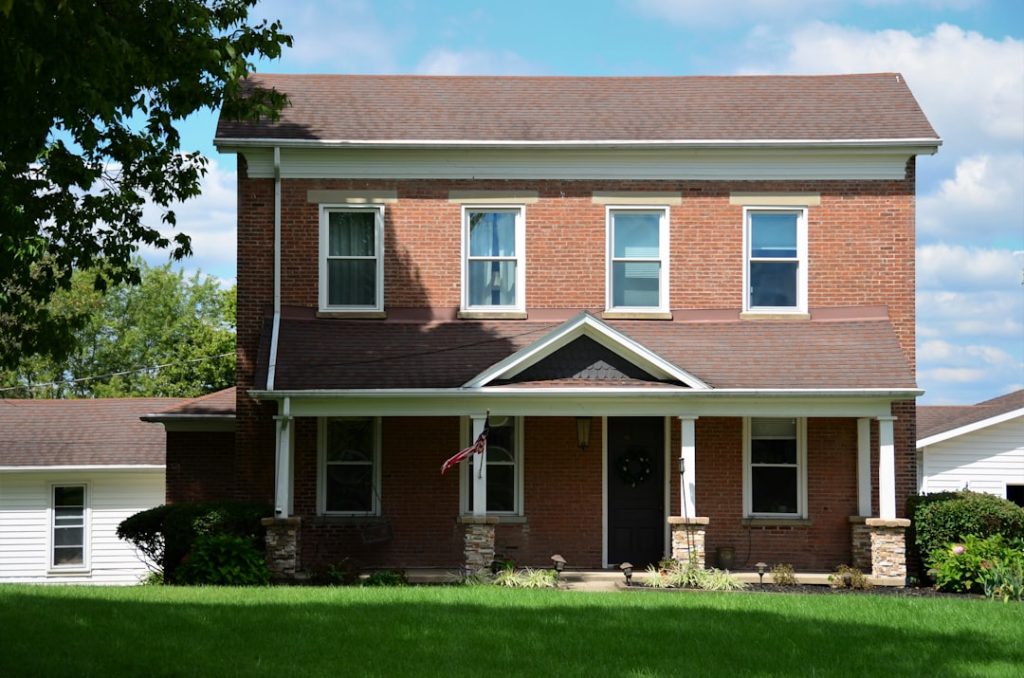
The Home Renovation Tax Credit is a government-sponsored financial incentive that allows homeowners to reduce their tax liability when undertaking qualifying property improvements. Under this program, eligible homeowners can claim a specified percentage of renovation expenses as a deduction against their taxable income, effectively lowering the net cost of home improvements. This tax credit serves multiple policy objectives.
Economically, it stimulates activity in the construction and home improvement industries by increasing consumer demand for renovation services and materials. From a housing policy perspective, it encourages the maintenance and upgrading of existing residential properties, contributing to improved housing quality within communities. Many Home Renovation Tax Credit programs prioritize energy efficiency improvements and sustainable building practices.

Qualifying renovations often include installation of energy-efficient windows, upgraded HVAC systems, improved insulation, and renewable energy systems. These improvements typically result in reduced household energy consumption, lower utility costs for homeowners, and decreased greenhouse gas emissions at the community level. Additionally, energy-efficient renovations generally increase property values, providing homeowners with both immediate tax benefits and long-term financial returns.
Eligibility requirements, qualifying expenses, credit amounts, and application procedures vary by jurisdiction. Homeowners considering renovations should review their local tax credit provisions to determine potential savings and ensure compliance with program requirements.
Key Takeaways
- The Home Renovation Tax Credit helps reduce costs for eligible home improvement projects.
- Only specific types of renovations and eligible homeowners qualify for the credit.
- Proper calculation and documentation are essential to successfully claim the tax credit.
- Maximizing savings involves strategic planning and understanding the credit’s limits and rules.
- Additional financial incentives and resources are available to support home renovation efforts.

Eligibility Requirements for the Home Renovation Tax Credit
To qualify for the Home Renovation Tax Credit, homeowners must meet specific eligibility criteria that vary by jurisdiction. Generally, the property must be a primary residence, meaning it is where the homeowner lives for a significant portion of the year. This requirement ensures that the tax credit is directed toward improving homes that are actively used as living spaces rather than investment properties or vacation homes.
Additionally, there may be stipulations regarding the age of the home; some programs target older homes that require significant upgrades to meet modern standards. Homeowners must also provide documentation of their renovation expenses to claim the credit. This documentation typically includes receipts, invoices, and contracts related to the work performed.
Some jurisdictions may require that renovations be completed by licensed contractors or professionals to ensure quality and compliance with local building codes. Furthermore, there may be limits on the total amount of expenses that can be claimed under the tax credit, which can vary based on the type of renovation and local regulations. Understanding these eligibility requirements is crucial for homeowners to ensure they can take full advantage of the available tax benefits.
Types of Home Renovations Covered by the Tax Credit

The types of home renovations eligible for the Home Renovation Tax Credit can encompass a wide range of projects aimed at improving a home’s functionality, safety, and energy efficiency. Commonly covered renovations include major upgrades such as kitchen remodels, bathroom renovations, and additions that enhance living space. These projects not only improve the aesthetic appeal of a home but also increase its market value, making them attractive investments for homeowners.
In addition to cosmetic upgrades, many tax credits specifically target energy-efficient improvements. For instance, installing solar panels, upgrading insulation, or replacing old heating and cooling systems with more efficient models often qualifies for tax credits. These types of renovations not only contribute to a homeowner’s comfort but also align with broader environmental goals by reducing energy consumption and promoting sustainable living practices.
Homeowners should carefully review the specific guidelines provided by their local tax authority to understand which renovations qualify for credits and how they can maximize their benefits.
How to Calculate and Claim the Home Renovation Tax Credit
Calculating and claiming the Home Renovation Tax Credit involves several steps that require careful attention to detail. First, homeowners need to compile all relevant documentation related to their renovation expenses. This includes invoices from contractors, receipts for materials purchased, and any other financial records that substantiate the costs incurred during the renovation process.
Once all expenses are documented, homeowners can determine the total amount eligible for the tax credit based on local regulations. The calculation itself typically involves applying a specific percentage to the total renovation costs. For example, if a jurisdiction offers a 20% tax credit on eligible expenses and a homeowner spends $10,000 on renovations, they would be entitled to a $2,000 reduction in their taxable income.
It is essential for homeowners to consult with a tax professional or refer to official guidelines from their local tax authority to ensure they are accurately calculating their credit and complying with all necessary requirements. After determining the eligible amount, homeowners can claim the credit when filing their annual tax returns, often using specific forms designated for tax credits.
Tips for Maximizing Savings with the Home Renovation Tax Credit
| Metric | Description | Value | Notes |
|---|---|---|---|
| Maximum Credit Amount | The highest amount eligible for tax credit | 15000 | Varies by region and program |
| Credit Percentage | Percentage of renovation costs eligible for credit | 20% | Typically applies to labor and materials |
| Eligible Renovation Types | Types of renovations qualifying for credit | Energy efficiency, accessibility, safety improvements | Must meet specific program criteria |
| Claim Period | Time frame to claim the tax credit | Within 1 year of renovation completion | Check local tax authority guidelines |
| Income Limits | Maximum household income to qualify | 75000 | Some programs have income thresholds |
To maximize savings through the Home Renovation Tax Credit, homeowners should consider strategic planning before embarking on renovation projects. One effective approach is to prioritize renovations that not only enhance comfort but also qualify for tax credits. By focusing on energy-efficient upgrades or necessary repairs that meet eligibility criteria, homeowners can ensure they are making financially sound decisions while also benefiting from tax incentives.
Additionally, timing can play a crucial role in maximizing savings. Homeowners should stay informed about any changes in tax laws or upcoming deadlines related to claiming credits. Some jurisdictions may offer limited-time incentives or increased percentages for specific types of renovations during certain periods.
By planning renovations around these opportunities, homeowners can potentially increase their savings significantly. Furthermore, consulting with professionals who specialize in home renovations and tax credits can provide valuable insights into which projects will yield the best financial returns.
Potential Pitfalls to Avoid When Using the Tax Credit

While the Home Renovation Tax Credit offers substantial benefits, there are potential pitfalls that homeowners should be aware of to avoid complications during the claiming process. One common mistake is failing to keep thorough documentation of all expenses related to renovations. Without proper records, homeowners may find it challenging to substantiate their claims if audited by tax authorities.
It is advisable to maintain organized files that include all receipts and contracts associated with renovation work. Another pitfall involves misunderstanding eligibility requirements or miscalculating eligible expenses. Homeowners should take care to familiarize themselves with local regulations regarding what constitutes an eligible renovation and ensure they are not overlooking any qualifying expenses.
Additionally, some homeowners may mistakenly assume that all renovations will qualify for credits without verifying specific guidelines; this can lead to disappointment when filing taxes. Engaging with a tax professional who understands local laws can help mitigate these risks and ensure compliance throughout the renovation process.
Other Financial Incentives for Home Renovations
Beyond the Home Renovation Tax Credit, various other financial incentives exist to support homeowners in their renovation endeavors. Many local governments offer grants or low-interest loans specifically designed for home improvements aimed at enhancing energy efficiency or addressing safety concerns. These programs can provide additional financial support beyond what is available through tax credits and may have more lenient eligibility requirements.
Utility companies often have rebate programs that incentivize homeowners to invest in energy-efficient appliances or systems. For instance, replacing an old furnace with a high-efficiency model might qualify for rebates from utility providers looking to reduce overall energy consumption in their service areas. Additionally, some states offer property tax exemptions or reductions for homes that have undergone significant energy-efficient upgrades.
By exploring these various financial incentives in conjunction with the Home Renovation Tax Credit, homeowners can create a comprehensive strategy that maximizes their savings while improving their properties.
Resources for Further Information on the Home Renovation Tax Credit
Homeowners seeking more information about the Home Renovation Tax Credit and related incentives have access to numerous resources that can provide guidance and clarity. The official website of local tax authorities often contains detailed information about eligibility requirements, application processes, and specific forms needed to claim credits. These resources are invaluable for ensuring compliance with regulations and understanding any recent changes in tax laws.
Additionally, nonprofit organizations focused on housing and community development frequently publish guides and resources related to home improvement financing options. Websites dedicated to home improvement often feature articles discussing various financial incentives available at both state and federal levels. Engaging with local contractors who are familiar with these programs can also provide insights into which renovations are most likely to qualify for credits and how best to navigate the claiming process effectively.
By leveraging these resources, homeowners can make informed decisions about their renovation projects while maximizing potential financial benefits.
