
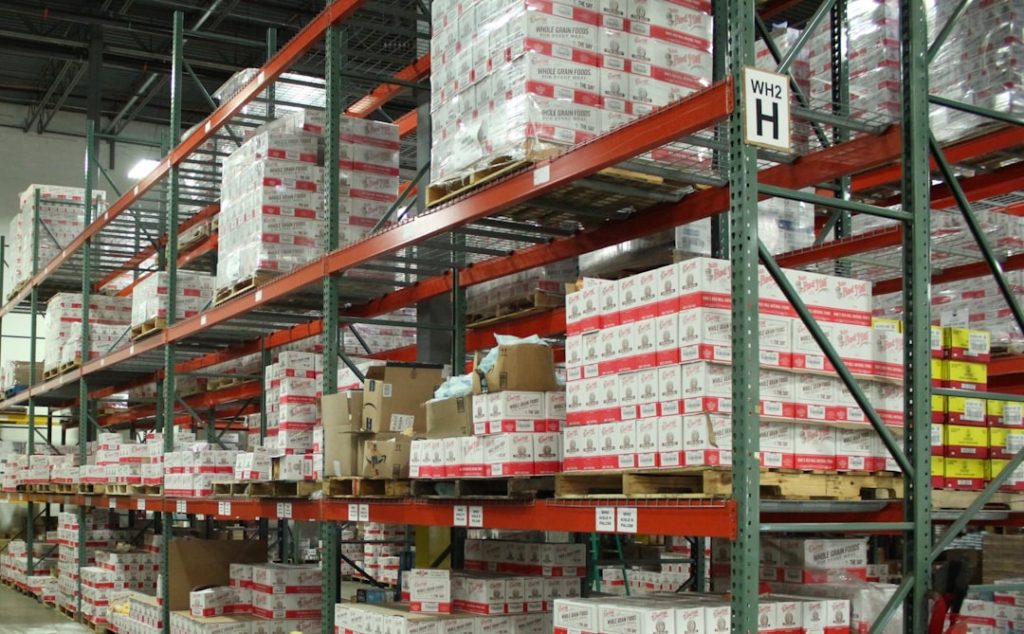
Inventory accounting is a fundamental component of financial management for businesses that handle physical products. This process encompasses the systematic tracking of costs associated with goods available for sale and the cost of goods sold (COGS) within designated accounting periods. The primary objective is to ensure financial statements provide accurate representations of inventory values and related selling expenses, which directly impacts profitability analysis, cash flow management, and strategic business planning.
The foundation of inventory accounting centers on inventory valuation methodologies. Companies must establish systematic approaches to categorize and assign monetary values to their inventory, which typically includes raw materials, work-in-progress items, and finished products. The selected valuation method creates substantial effects on financial reporting and tax calculations.

The three predominant valuation methods are First-In, First-Out (FIFO), Last-In, First-Out (LIFO), and Weighted Average Cost. Each methodology presents distinct characteristics that influence reported earnings and tax obligations. Comprehensive understanding of these principles is essential for business owners and financial managers responsible for inventory oversight and control.
Key Takeaways
- Inventory accounting fundamentals are essential for accurate financial reporting and cost management.
- Choosing the right inventory valuation method (FIFO, LIFO, or weighted average) impacts profit and tax calculations.
- Effective inventory management systems help track stock levels, reduce errors, and optimize ordering processes.
- Monitoring inventory turnover and holding costs aids in improving efficiency and reducing excess stock.
- Compliance with accounting standards and addressing shrinkage are critical to maintaining inventory accuracy and financial integrity.
Implementing Inventory Valuation Methods

The choice of inventory valuation method can have profound implications for a company’s financial health. FIFO assumes that the oldest inventory items are sold first, which can lead to lower COGS during periods of rising prices, thereby inflating profits. For example, if a company purchases inventory at $10 per unit and later at $15 per unit, under FIFO, when it sells the inventory, it will record the cost as $10 per unit.
This can result in higher taxable income, which may not always be favorable for cash flow management. Conversely, LIFO operates on the premise that the most recently acquired items are sold first. This method can be advantageous in times of inflation as it results in higher COGS and lower taxable income.
For instance, using the same example as before, if a company sells its inventory under LIFO, it would record the cost as $15 per unit, leading to reduced profits on paper. However, LIFO is not permitted under International Financial Reporting Standards (IFRS), which can complicate matters for companies operating globally. Therefore, businesses must carefully consider their operational context and regulatory environment when selecting an inventory valuation method.
Managing Inventory Costs and Expenses

Effective management of inventory costs and expenses is vital for maintaining profitability and operational efficiency. Inventory costs encompass various elements, including purchase costs, holding costs, and ordering costs. Purchase costs refer to the price paid for acquiring inventory, while holding costs include storage fees, insurance, depreciation, and opportunity costs associated with tying up capital in unsold goods.
Ordering costs involve expenses related to replenishing stock, such as shipping fees and administrative expenses. To manage these costs effectively, businesses often employ techniques such as Economic Order Quantity (EOQ) models to determine the optimal order size that minimizes total inventory costs. By calculating EOQ, companies can strike a balance between ordering too frequently—incurring high ordering costs—and ordering too much—leading to increased holding costs.
Additionally, regular audits and inventory reviews can help identify slow-moving or obsolete stock that may need to be discounted or written off, further optimizing inventory management.
Utilizing Inventory Management Systems
In today’s digital age, leveraging technology through inventory management systems (IMS) has become indispensable for businesses aiming to streamline their operations. These systems provide real-time visibility into inventory levels, sales trends, and supply chain dynamics. By automating processes such as stock tracking and order fulfillment, IMS can significantly reduce human error and improve efficiency.
For instance, a retail business might implement an IMS that integrates with its point-of-sale system to automatically update inventory levels as sales occur. This real-time data allows managers to make informed decisions about restocking and promotions based on current demand patterns. Furthermore, advanced IMS often include analytics capabilities that enable businesses to forecast demand more accurately, thus optimizing purchasing decisions and reducing excess inventory.
The integration of such systems not only enhances operational efficiency but also contributes to better customer satisfaction by ensuring product availability.
Addressing Inventory Shrinkage and Loss
| Metric | Description | Formula / Calculation | Purpose |
|---|---|---|---|
| Beginning Inventory | Value of inventory at the start of the accounting period | Recorded value from previous period’s ending inventory | Starting point for inventory valuation |
| Purchases | Cost of inventory items bought during the period | Sum of all inventory purchases | To track additions to inventory |
| Ending Inventory | Value of inventory at the end of the accounting period | Physical count valued at cost or market | Determines cost of goods sold and asset value |
| Cost of Goods Sold (COGS) | Cost of inventory sold during the period | Beginning Inventory + Purchases – Ending Inventory | Measures direct costs related to sales |
| Inventory Turnover Ratio | Number of times inventory is sold and replaced | COGS / Average Inventory | Assesses inventory management efficiency |
| Average Inventory | Average value of inventory during the period | (Beginning Inventory + Ending Inventory) / 2 | Used in turnover and other ratio calculations |
| Gross Profit Margin | Percentage of revenue remaining after COGS | (Sales – COGS) / Sales × 100 | Indicates profitability of inventory sales |
| Inventory Write-down | Reduction in inventory value due to obsolescence or damage | Original Cost – Net Realizable Value | Ensures inventory is reported at lower of cost or market |
Inventory shrinkage refers to the loss of products due to theft, damage, or administrative errors. It poses a significant challenge for businesses across various sectors, leading to substantial financial losses if not addressed effectively. According to the National Association for Shoplifting Prevention (NASP), retailers in the United States lose approximately $50 billion annually due to shrinkage.
This figure underscores the importance of implementing robust loss prevention strategies. To combat shrinkage, businesses can adopt several measures such as conducting regular inventory audits and implementing security systems like surveillance cameras and electronic article surveillance (EAS). Training employees on loss prevention techniques can also be beneficial; staff should be aware of suspicious behaviors and understand the importance of reporting them.
Additionally, utilizing technology such as RFID tags can help track inventory movement more accurately and deter theft by making it easier to identify discrepancies between recorded and actual stock levels.
Analyzing Inventory Turnover and Holding Costs

Inventory turnover is a key performance indicator that measures how efficiently a company sells its inventory over a specific period. A high turnover rate indicates strong sales performance and effective inventory management, while a low turnover rate may signal overstocking or weak sales. To calculate inventory turnover, businesses divide their COGS by the average inventory during the period.
For example, if a company has COGS of $500,000 and an average inventory of $100,000, its turnover ratio would be 5, indicating that it sells its entire inventory five times a year. Understanding holding costs is equally important in this analysis. Holding costs represent the total expenses associated with storing unsold goods over time.
These costs can include warehousing fees, insurance premiums, spoilage or obsolescence risks, and opportunity costs related to capital tied up in inventory. By analyzing both turnover rates and holding costs, businesses can identify areas for improvement in their inventory management practices. For instance, if a company finds that its holding costs are disproportionately high compared to its turnover rate, it may need to reevaluate its purchasing strategy or consider promotional efforts to accelerate sales.
Incorporating Just-In-Time Inventory Practices
Just-In-Time (JIT) inventory practices have gained popularity as a strategy for minimizing waste and reducing holding costs. JIT involves maintaining minimal inventory levels by ordering goods only as they are needed in the production process or for fulfilling customer orders. This approach not only reduces storage costs but also minimizes the risk of obsolescence or spoilage.
For example, Toyota famously implemented JIT practices in its manufacturing processes to enhance efficiency and reduce waste. By synchronizing production schedules with supplier deliveries, Toyota was able to maintain lean inventories while ensuring that components arrived precisely when needed on the assembly line. However, JIT requires a high level of coordination with suppliers and may expose businesses to risks such as supply chain disruptions or unexpected demand spikes.
Therefore, companies considering JIT must weigh these risks against potential cost savings and operational efficiencies.
Complying with Inventory Accounting Regulations and Standards
Compliance with accounting regulations and standards is paramount for businesses engaged in inventory accounting. In many jurisdictions, companies must adhere to Generally Accepted Accounting Principles (GAAP) or International Financial Reporting Standards (IFRS), which dictate how inventory should be valued and reported on financial statements. These standards ensure consistency and transparency in financial reporting, which is crucial for stakeholders such as investors, creditors, and regulatory bodies.
For instance, under GAAP, companies are required to disclose their chosen inventory valuation method in their financial statements. This transparency allows stakeholders to understand how inventory values were derived and assess their impact on profitability and financial health. Additionally, businesses must maintain accurate records of their inventory transactions to comply with tax regulations and avoid penalties during audits.
Failure to adhere to these standards can result in significant legal repercussions and damage a company’s reputation in the marketplace. In summary, effective inventory accounting encompasses a wide range of practices from understanding basic principles to implementing advanced management systems. By mastering these elements—valuation methods, cost management strategies, loss prevention techniques, turnover analysis, JIT practices, and compliance with regulations—businesses can optimize their inventory processes and enhance overall financial performance.
