

Charitable giving has long been recognized as a powerful tool for fostering social change and addressing pressing societal issues. The act of donating money, time, or resources can create ripples of positive impact that extend far beyond the immediate beneficiaries. For instance, consider the case of microfinance initiatives, which provide small loans to entrepreneurs in developing countries.
These loans empower individuals to start their own businesses, leading to job creation and economic growth within their communities. The impact of such giving is not merely financial; it also fosters a sense of agency and self-sufficiency among recipients, enabling them to break the cycle of poverty. Moreover, charitable giving can significantly influence public policy and social norms.

When individuals and organizations contribute to causes such as education, healthcare, or environmental conservation, they help to raise awareness and mobilize resources around these issues. For example, the widespread support for climate change initiatives has led to increased funding for renewable energy projects and stricter regulations on carbon emissions. This collective action not only addresses immediate environmental concerns but also shapes the future trajectory of societal values regarding sustainability and responsibility toward the planet.
Key Takeaways
- Charitable giving creates meaningful impact both locally and globally.
- Supporting causes aligned with your passion enhances personal fulfillment.
- Generosity positively affects your mental and emotional well-being.
- Volunteering and donating are practical ways to contribute and engage.
- Teaching children about giving fosters a culture of lifelong generosity.
Finding Your Passion: Choosing the Right Cause to Support

Selecting a cause to support can be a deeply personal journey, often influenced by individual experiences, values, and interests. It is essential to reflect on what resonates most with you. For instance, someone who has experienced the challenges of mental health may feel compelled to support organizations that focus on mental health awareness and treatment.
This personal connection can fuel a more profound commitment to the cause, making your contributions more meaningful and impactful. Additionally, exploring various causes can help you identify where your passions lie. Engaging with different organizations through volunteering or attending events can provide insight into their missions and the communities they serve.
For example, if you are passionate about education, volunteering at a local tutoring program can give you firsthand experience of the challenges faced by students and educators alike. This exploration not only helps you find a cause that aligns with your values but also allows you to understand the nuances of the issues at hand, ultimately leading to more informed and effective support.
Making a Difference Locally: Supporting Your Community
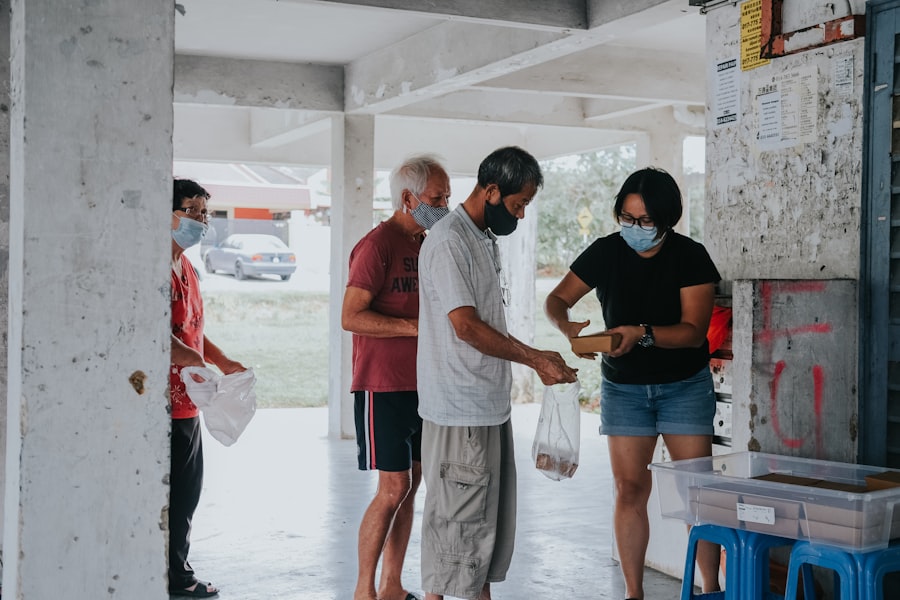
Local charitable efforts often have a profound impact on communities, addressing specific needs that may be overlooked by larger organizations. Supporting local charities can foster a sense of community and belonging while directly contributing to the well-being of your neighbors. For instance, food banks play a crucial role in alleviating hunger in local areas by providing essential resources to families in need.
By donating food or volunteering at these facilities, individuals can witness the immediate effects of their contributions and build connections with those they are helping. Furthermore, local charities often rely on community support to thrive. By investing in these organizations, you are not only addressing immediate needs but also contributing to the long-term sustainability of your community.
For example, supporting local arts initiatives can enhance cultural vibrancy and provide opportunities for local artists to showcase their work. This not only enriches the community’s cultural landscape but also fosters economic growth through tourism and local business support.
The Benefits of Giving: How Generosity Can Improve Your Well-being
Engaging in charitable giving has been shown to have numerous benefits for the giver’s mental and emotional well-being. Research indicates that acts of generosity can lead to increased happiness and life satisfaction. When individuals contribute to causes they care about, they often experience a sense of purpose and fulfillment that enhances their overall quality of life.
This phenomenon is sometimes referred to as the “helper’s high,” where the act of giving triggers the release of endorphins, creating feelings of joy and contentment. Moreover, charitable giving can foster social connections and strengthen relationships. When individuals come together to support a common cause, they build bonds with like-minded people who share their values and passions.
This sense of community can combat feelings of isolation and loneliness, which are increasingly prevalent in today’s society. For example, participating in group volunteer activities or fundraising events can create lasting friendships and networks that extend beyond the initial charitable endeavor.
Getting Involved: Ways to Volunteer and Donate
| Year | Total Donations (in billions) | Average Donation per Donor | Percentage of Population Donating | Top Cause Supported |
|---|---|---|---|---|
| 2020 | 450 | 350 | 55% | Health |
| 2021 | 485 | 370 | 57% | Education |
| 2022 | 510 | 390 | 60% | Disaster Relief |
| 2023 | 530 | 410 | 62% | Environment |
There are countless ways to get involved in charitable giving, whether through financial contributions or hands-on volunteer work. One effective approach is to identify organizations that align with your interests and values, then explore their specific needs for support. Many nonprofits rely on volunteers for various tasks, from administrative work to direct service roles such as mentoring or tutoring.
By offering your time and skills, you can make a tangible difference while gaining valuable experience and insights into the organization’s mission. In addition to volunteering, financial donations play a crucial role in sustaining charitable organizations. Many nonprofits operate on tight budgets and rely heavily on contributions from individuals and businesses to fund their programs.
Consider setting up a recurring donation or participating in fundraising events such as charity runs or auctions. These activities not only provide essential resources for organizations but also raise awareness about important issues within your community.
Creating Lasting Change: Strategies for Sustainable Giving

Sustainable giving goes beyond one-time donations or sporadic volunteer efforts; it involves creating a long-term impact that addresses root causes rather than just symptoms. One effective strategy is to support organizations that prioritize systemic change through advocacy and education. For instance, contributing to initiatives that focus on policy reform in areas such as healthcare or education can lead to lasting improvements that benefit entire communities.
Another approach is to engage in collaborative giving by joining forces with others who share your philanthropic goals. This could involve forming a giving circle where members pool their resources to support specific projects or organizations. By collaborating with others, you can amplify your impact and foster a sense of shared responsibility for addressing societal challenges.
Teaching the Next Generation: Instilling the Value of Generosity in Children
Instilling the value of generosity in children is crucial for fostering a culture of giving in future generations. Parents and educators can play a significant role in this process by modeling charitable behavior and encouraging children to engage in acts of kindness from an early age. Simple practices such as involving children in family volunteer activities or discussing the importance of helping others can lay the foundation for a lifelong commitment to philanthropy.
Additionally, teaching children about social issues and the importance of empathy can help them understand the impact of their actions on others. For example, discussing topics such as poverty or environmental conservation can inspire children to think critically about how they can contribute positively to society. Encouraging them to participate in age-appropriate fundraising activities or community service projects can further reinforce these values while providing them with practical experience in making a difference.
Overcoming Obstacles: Addressing Common Challenges in Charitable Giving
Despite the many benefits of charitable giving, individuals may encounter various obstacles that hinder their ability to contribute effectively. One common challenge is financial constraints; many people feel they cannot afford to donate significant amounts of money. However, it is essential to recognize that even small contributions can make a difference when pooled together with others’ efforts.
Additionally, volunteering time or skills can be just as valuable as monetary donations. Another challenge is finding trustworthy organizations that align with one’s values and goals. With countless nonprofits vying for support, it can be overwhelming to determine where to direct your contributions.
Conducting thorough research into an organization’s mission, financial transparency, and impact can help alleviate these concerns. Websites like Charity Navigator or GuideStar provide valuable information about nonprofit organizations, allowing potential donors to make informed decisions about where their support will be most effective. In conclusion, charitable giving is a multifaceted endeavor that holds immense potential for creating positive change in society while enriching the lives of those who give.
By understanding its power, finding personal passions, supporting local communities, recognizing the benefits of generosity, getting involved through various means, creating sustainable change strategies, teaching future generations about philanthropy, and overcoming common challenges, individuals can contribute meaningfully to causes they care about while fostering a culture of compassion and generosity within their communities.
