
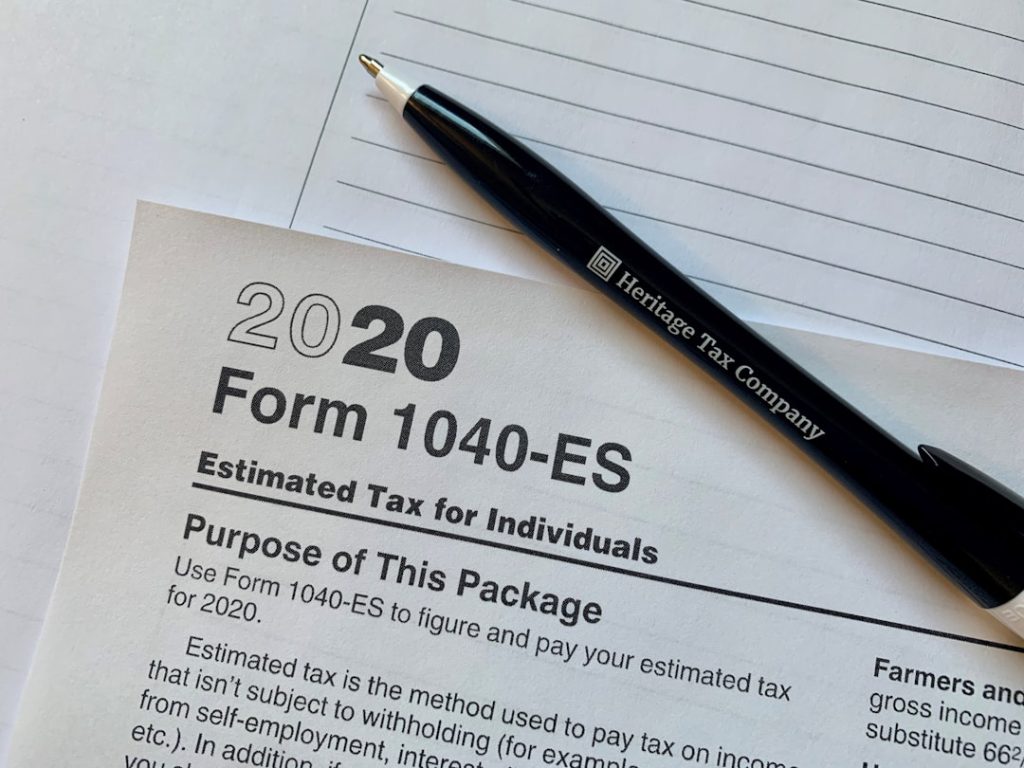
Professional tax return services reduce the burden and complexity of annual tax filing obligations. Tax codes, deductions, and available credits present significant challenges for individuals and businesses without specialized training. Certified tax professionals maintain current knowledge of federal and state tax regulations, including recent legislative changes that impact taxpayer obligations and benefits.
This expertise ensures accurate return preparation while identifying all eligible deductions and credits to optimize refunds or reduce tax liabilities. Tax professionals offer customized guidance based on each client’s specific financial circumstances. Through comprehensive analysis of income sources, expenses, and financial goals, they develop strategies that support long-term financial planning objectives.

These services may include retirement account optimization, investment tax planning, and estate planning coordination. Professional tax advice extends beyond immediate filing requirements to support comprehensive financial management and strategic decision-making throughout the tax year.
Key Takeaways
- Expert tax services help maximize deductions and credits while minimizing errors.
- Choosing the right tax professional is crucial for personalized and accurate tax filing.
- Timely and accurate filing prevents penalties and ensures compliance with tax laws.
- Professional guidance is essential for navigating complex tax situations effectively.
- Strategic tax planning can improve future returns and long-term financial outcomes.
How to Choose the Right Tax Professional for Your Needs

Selecting the right tax professional is crucial for ensuring that your tax return is handled efficiently and accurately. One of the first steps in this process is to assess your specific needs. For example, if you are a small business owner, you may require a tax advisor who specializes in business taxes and understands the nuances of corporate deductions and credits.
Conversely, individuals with straightforward tax situations might benefit from a certified public accountant (CPA) who can provide general tax preparation services. When evaluating potential tax professionals, it is essential to consider their qualifications and experience. Look for credentials such as CPA, enrolled agent (EA), or tax attorney, as these designations indicate a level of expertise and commitment to the field.
Additionally, seeking referrals from friends or family can provide insights into a professional’s reliability and effectiveness. Online reviews and testimonials can also be valuable resources in assessing a tax professional’s reputation. Ultimately, finding someone who communicates clearly and makes you feel comfortable discussing your financial matters is vital for a successful partnership.
Maximizing Deductions and Credits with Expert Guidance

One of the primary advantages of working with a tax professional is their ability to identify and maximize deductions and credits that you may not be aware of. Tax laws are intricate, with numerous provisions that can significantly impact your taxable income. For instance, many taxpayers overlook deductions related to home office expenses, medical expenses, or educational costs.
A knowledgeable tax advisor can help you navigate these areas, ensuring that you take full advantage of available deductions. In addition to identifying deductions, tax professionals can also assist in claiming various credits that can reduce your overall tax liability. For example, credits such as the Earned Income Tax Credit (EITC) or the Child Tax Credit can provide substantial savings for eligible taxpayers.
A tax expert will not only ensure that you qualify for these credits but will also guide you through the application process, helping to avoid any pitfalls that could lead to missed opportunities or delays in receiving your refund.
Avoiding Common Mistakes and Errors on Your Tax Return
Filing taxes can be fraught with potential errors that may lead to audits or penalties. Common mistakes include incorrect Social Security numbers, miscalculating income, or failing to report all sources of income. These errors can be easily avoided with the assistance of a qualified tax professional who meticulously reviews your return for accuracy before submission.
Their expertise allows them to spot discrepancies that an untrained eye might miss. Furthermore, tax professionals are adept at understanding the nuances of various forms and schedules required for different types of income and deductions. For instance, freelancers may need to file additional forms related to self-employment income, while investors must report capital gains accurately.
By ensuring that all necessary documentation is included and correctly filled out, a tax advisor can help mitigate the risk of errors that could lead to costly consequences down the line.
The Importance of Timely and Accurate Filing
| Service Type | Average Processing Time | Accuracy Rate | Customer Satisfaction (%) | Cost Range |
|---|---|---|---|---|
| Basic Tax Return Filing | 1-3 days | 98% | 90% | 50 – 150 |
| Itemized Tax Return Filing | 3-5 days | 97% | 88% | 100 – 300 |
| Self-Employed Tax Return | 5-7 days | 95% | 85% | 200 – 500 |
| Amended Tax Return | 7-10 days | 96% | 87% | 150 – 400 |
| Tax Audit Support | Varies | 99% | 92% | 300 – 1000 |
Timeliness is a critical aspect of the tax filing process. Late submissions can result in penalties and interest charges that add unnecessary financial burdens. Tax professionals understand the importance of meeting deadlines and can help ensure that your return is filed on time.
They often have systems in place to track important dates and reminders, allowing you to focus on other aspects of your life without the constant worry of impending deadlines. In addition to timeliness, accuracy is paramount when it comes to filing taxes. An accurate return not only prevents penalties but also ensures that you receive any refunds owed to you promptly.
Tax professionals employ various tools and software designed to minimize errors and streamline the filing process. Their attention to detail means that they double-check all figures and documentation before submission, providing peace of mind that your return is both timely and precise.
Leveraging Tax Planning Strategies for Future Returns

Tax planning is an ongoing process that extends beyond the annual filing of returns. A skilled tax professional can help you develop strategies that optimize your financial situation year-round. This might involve adjusting withholding amounts from your paycheck to better align with your expected tax liability or making strategic decisions about retirement contributions that can lower taxable income.
For instance, if you anticipate a significant increase in income in the coming year due to a promotion or business growth, a tax advisor might recommend accelerating certain deductions or deferring income where possible. This proactive approach allows you to manage your tax burden effectively and avoid surprises when it comes time to file your return. By working with a professional who understands your financial goals, you can create a comprehensive plan that addresses both immediate needs and long-term objectives.
Navigating Complex Tax Situations with Professional Assistance
Certain life events or financial situations can complicate tax filings significantly. For example, divorce settlements, inheritance issues, or business ownership can introduce unique challenges that require specialized knowledge. In such cases, having a tax professional by your side becomes invaluable.
They can provide guidance on how these situations impact your taxes and help you navigate any complexities involved. Consider a scenario where an individual inherits property from a deceased relative. The tax implications of this inheritance can be intricate, involving potential capital gains taxes if the property is sold later on.
A knowledgeable tax advisor can explain how basis calculations work in this context and advise on strategies to minimize future liabilities associated with the inherited asset. Their expertise ensures that you are well-informed about your obligations and options moving forward.
Ensuring Compliance with Tax Laws and Regulations
Tax compliance is essential for avoiding legal issues and maintaining good standing with the Internal Revenue Service (IRS) or other relevant authorities. Tax laws are subject to frequent changes, making it challenging for individuals and businesses to stay informed about their obligations. A qualified tax professional is well-versed in current regulations and can help ensure that you remain compliant with all applicable laws.
Moreover, compliance extends beyond just filing returns; it also involves maintaining accurate records and documentation throughout the year. A tax advisor can guide you on best practices for record-keeping, ensuring that you have all necessary documentation readily available should you face an audit or need to substantiate claims made on your return. By prioritizing compliance with expert assistance, you not only protect yourself from potential penalties but also foster a sense of confidence in your financial dealings.
In summary, engaging expert tax return services offers numerous benefits ranging from maximizing deductions to ensuring compliance with complex regulations. By choosing the right professional for your needs and leveraging their expertise throughout the year, you can navigate the intricacies of taxation with greater ease and confidence.
