
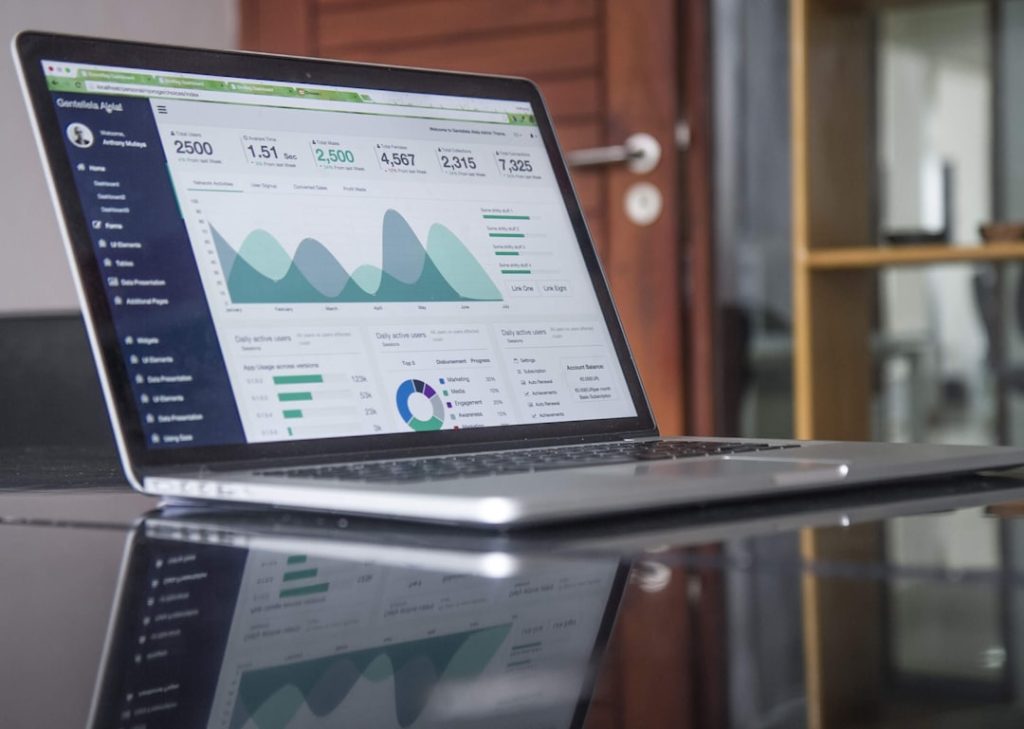
The accounting industry has experienced substantial changes with the adoption of digital technologies, transitioning from paper-based systems to cloud-based solutions. Online accounting software has become an essential business tool across organizations of varying sizes, offering centralized financial record management through internet-accessible platforms. This technology enables users to manage accounting functions remotely, supporting both small businesses and large enterprises.
The migration to cloud-based systems has improved data accessibility while delivering operational efficiencies that exceed traditional manual bookkeeping capabilities. Several market drivers have accelerated online accounting software adoption, including evolving regulatory compliance requirements, demand for real-time financial reporting, and pressure to reduce operational costs. As organizations expand, their financial management complexity increases, requiring scalable solutions that accommodate growth and changing business models.

Modern online accounting platforms provide comprehensive functionality including process automation, customizable reporting capabilities, and integrated compliance management tools. This analysis examines the operational advantages of cloud-based accounting systems, critical feature considerations for software selection, and implementation best practices for optimal system utilization.
Key Takeaways
- Online accounting software offers accessible, cloud-based financial management tools.
- Key benefits include real-time data access, automation, and improved accuracy.
- Essential features to consider are invoicing, expense tracking, and integration capabilities.
- Choosing the right software depends on business size, industry needs, and budget.
- Effective use involves proper setup, regular updates, and avoiding common user errors.
Benefits of Using Online Accounting Software

One of the most significant advantages of online accounting software is its accessibility. Unlike traditional desktop applications that require installation on specific devices, online solutions can be accessed from any device with an internet connection. This flexibility is particularly beneficial for businesses with remote teams or those that operate in multiple locations.
For instance, a small business owner can review financial statements while traveling or collaborate with their accountant in real-time without the need for physical meetings. This level of convenience fosters better communication and decision-making. Another key benefit is the automation of routine tasks.
Online accounting software often includes features such as automatic invoicing, expense tracking, and bank reconciliation. These functionalities not only save time but also reduce the likelihood of human error. For example, a business that automates its invoicing process can ensure that invoices are sent promptly and accurately, improving cash flow and reducing late payments.
Additionally, many online accounting platforms offer integration with other business tools, such as payment processors and customer relationship management (CRM) systems, further enhancing operational efficiency.
Features to Look for in Online Accounting Software

When selecting online accounting software, it is crucial to consider specific features that align with your business needs. One essential feature is multi-user access, which allows multiple team members to collaborate on financial tasks simultaneously. This capability is particularly important for businesses with various departments that require input on budgeting or expense management.
Furthermore, role-based permissions can help ensure that sensitive financial information is only accessible to authorized personnel. Another important feature is robust reporting capabilities. The ability to generate detailed financial reports—such as profit and loss statements, balance sheets, and cash flow forecasts—can provide valuable insights into a company’s financial health.
Advanced reporting tools often allow users to customize reports based on specific criteria, enabling businesses to analyze trends and make informed decisions. Additionally, look for software that offers real-time data updates, ensuring that you always have the most current information at your fingertips.
How to Choose the Right Online Accounting Software for Your Business
Choosing the right online accounting software requires careful consideration of several factors. First and foremost, assess your business size and industry. Different software solutions cater to varying business types; for instance, a retail business may require inventory management features that are not as critical for a service-based company.
Understanding your unique requirements will help narrow down your options. Budget is another critical consideration when selecting accounting software. While many online solutions offer tiered pricing models based on features and user access levels, it is essential to evaluate the total cost of ownership.
This includes not only subscription fees but also potential costs associated with training staff or integrating the software with existing systems. Additionally, consider the scalability of the software; as your business grows, you may need additional features or user licenses, so choose a solution that can evolve alongside your company.
Setting Up and Integrating Online Accounting Software
| Software | Monthly Cost | Key Features | User Rating (out of 5) | Best For |
|---|---|---|---|---|
| QuickBooks Online | 30 – 150 | Invoicing, Expense Tracking, Payroll, Tax Filing | 4.5 | Small to Medium Businesses |
| FreshBooks | 15 – 50 | Time Tracking, Invoicing, Expense Management | 4.6 | Freelancers and Small Businesses |
| Xero | 20 – 60 | Bank Reconciliation, Inventory, Multi-currency | 4.3 | Small Businesses with International Needs |
| Wave | Free (Paid add-ons available) | Invoicing, Accounting, Receipt Scanning | 4.2 | Startups and Very Small Businesses |
| Zoho Books | 15 – 40 | Invoicing, Expense Tracking, Project Management | 4.4 | Small Businesses Needing CRM Integration |
Once you have selected the appropriate online accounting software for your business, the next step is setting it up effectively. This process typically begins with creating an account and inputting essential business information such as company name, address, and tax identification number. Many platforms offer guided setup wizards that simplify this process by prompting users to enter necessary data step-by-step.
Integration with existing systems is another crucial aspect of setup. Most online accounting software allows for seamless integration with other business applications such as payroll systems, e-commerce platforms, and customer relationship management tools. For example, integrating your accounting software with an e-commerce platform can automate the transfer of sales data directly into your financial records, reducing manual entry and minimizing errors.
It is advisable to take advantage of any available support resources during this phase to ensure a smooth transition.
Tips for Using Online Accounting Software Effectively
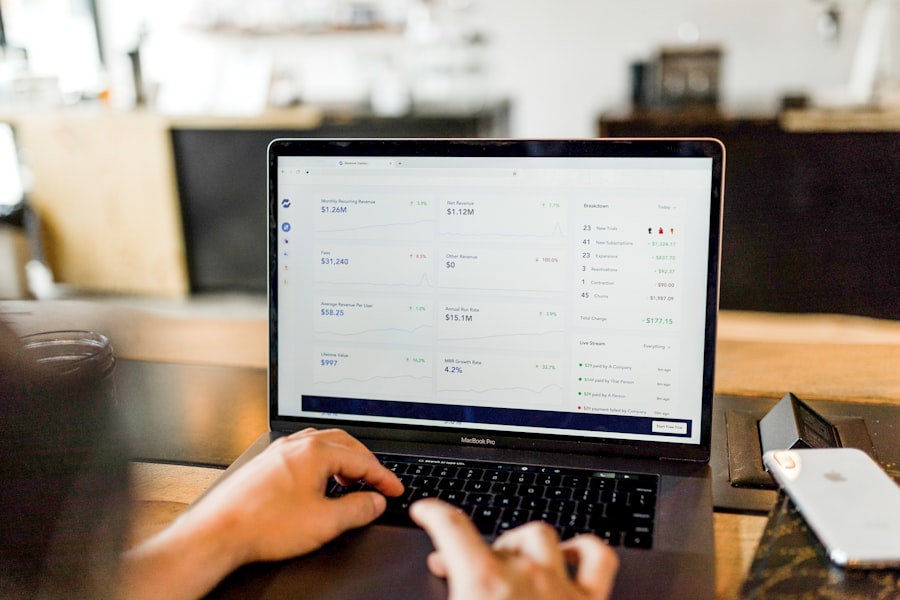
To maximize the benefits of online accounting software, users should adopt best practices that enhance efficiency and accuracy. Regularly updating financial records is paramount; this includes entering transactions promptly and reconciling bank statements on a consistent basis. By maintaining up-to-date records, businesses can avoid discrepancies and ensure that their financial data reflects their current situation.
Additionally, take advantage of the reporting features offered by your software. Regularly reviewing financial reports can provide insights into spending patterns, revenue trends, and overall financial health. Setting aside time each month to analyze these reports can help identify areas for improvement or opportunities for growth.
Furthermore, consider utilizing dashboards that provide visual representations of key performance indicators (KPIs), making it easier to track progress toward financial goals.
Common Mistakes to Avoid When Using Online Accounting Software
Despite the advantages of online accounting software, users may encounter pitfalls that hinder their effectiveness. One common mistake is neglecting data security measures. While many platforms implement robust security protocols, users must also take responsibility for safeguarding their information by using strong passwords and enabling two-factor authentication where available.
Failing to prioritize security can lead to unauthorized access and potential data breaches. Another frequent error is underutilizing the software’s features. Many users may only scratch the surface of what their accounting software can do, missing out on valuable functionalities such as automated reminders for overdue invoices or advanced reporting capabilities.
To avoid this mistake, invest time in training and exploring all available features thoroughly. Many providers offer tutorials or customer support resources that can help users fully leverage their software’s capabilities.
The Future of Online Accounting Software
The future of online accounting software appears promising as technology continues to evolve at a rapid pace. One significant trend is the increasing integration of artificial intelligence (AI) and machine learning into accounting platforms. These technologies can enhance automation by learning from user behavior and predicting future financial trends based on historical data.
For instance, AI-driven tools may automatically categorize expenses or suggest budget adjustments based on spending patterns. Moreover, the rise of blockchain technology holds potential implications for online accounting practices. Blockchain’s decentralized nature could revolutionize how transactions are recorded and verified, providing an immutable ledger that enhances transparency and reduces fraud risk.
As businesses seek more secure and efficient ways to manage their finances, the integration of blockchain into accounting software could become a standard practice in the coming years. In conclusion, online accounting software represents a significant advancement in financial management for businesses today. By understanding its benefits, essential features, and best practices for use, companies can harness its full potential to streamline operations and improve decision-making processes in an increasingly complex economic landscape.
