

Supporting charities is a fundamental aspect of fostering a compassionate society. Charitable organizations play a crucial role in addressing various social issues, from poverty alleviation to education and healthcare. They often fill gaps that government programs cannot cover, providing essential services to marginalized communities.
By donating to these organizations, individuals contribute to a collective effort that can lead to significant societal change. The act of giving not only aids those in need but also cultivates a sense of community and shared responsibility among donors. Moreover, supporting charities can have profound personal benefits for the giver.

Engaging in charitable activities often leads to increased feelings of happiness and fulfillment. Research has shown that acts of kindness and generosity can enhance mental well-being, reduce stress, and even improve physical health. When individuals see the tangible results of their contributions, such as improved living conditions for families or educational opportunities for children, it reinforces their sense of purpose and connection to the broader community.
This reciprocal relationship between giving and personal satisfaction underscores the importance of supporting charitable causes.
Key Takeaways
- Supporting charities plays a crucial role in addressing community needs and fostering positive change.
- Donations can be made through various methods, including online giving, volunteering, and fundraising events.
- Selecting the right charity involves researching its mission, transparency, and effectiveness.
- Generous giving significantly benefits communities by funding essential programs and services.
- Charitable donations often provide tax advantages, encouraging more people to contribute.

Different Ways to Donate to Charities
There are numerous avenues through which individuals can donate to charities, each offering unique benefits and opportunities for engagement. One of the most straightforward methods is through monetary donations, which can be made as one-time gifts or recurring contributions. Many charities provide online platforms that facilitate easy transactions, allowing donors to choose specific projects or initiatives they wish to support.
This flexibility enables individuals to align their contributions with their personal values and interests. In addition to financial donations, individuals can also support charities through in-kind contributions. These donations can include goods such as clothing, food, or medical supplies, which are often desperately needed by organizations serving vulnerable populations.
For instance, food banks rely heavily on community donations of non-perishable items to stock their shelves and provide meals for those facing food insecurity. Volunteering time and skills is another impactful way to support charitable organizations. Many nonprofits welcome volunteers who can assist with various tasks, from administrative work to hands-on service in the field.
This not only helps the organization but also allows volunteers to gain firsthand experience of the issues at hand.
Choosing the Right Charity to Support
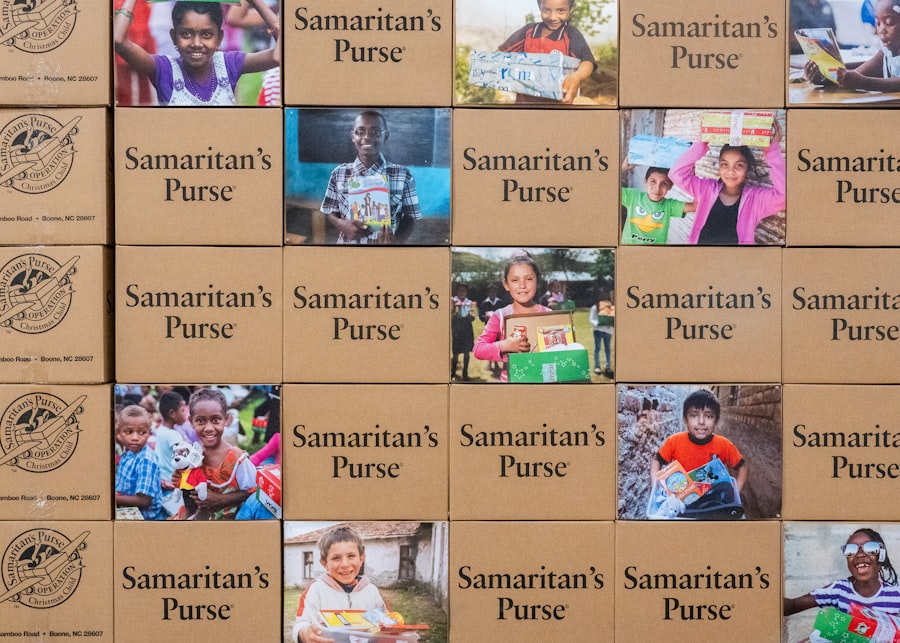
Selecting the right charity to support is a critical step in ensuring that donations have the desired impact. With thousands of organizations vying for attention, it can be overwhelming for potential donors to navigate their options. One effective approach is to consider personal passions and values.
For example, if an individual is passionate about environmental conservation, they might seek out charities focused on sustainability or wildlife protection. Aligning donations with personal interests not only enhances the donor’s engagement but also ensures that their contributions resonate on a deeper level. Researching a charity’s mission, effectiveness, and financial transparency is equally important.
Websites like Charity Navigator and GuideStar provide valuable insights into how organizations allocate their resources and measure their impact. A charity that demonstrates a commitment to accountability and transparency is more likely to use donations effectively. Additionally, reading reviews and testimonials from beneficiaries can provide a clearer picture of the charity’s real-world impact.
Engaging with local charities can also foster a sense of community connection, as donors can witness firsthand the positive changes their contributions are making in their neighborhoods.
The Impact of Generous Giving on Communities
Generous giving has the power to transform communities in profound ways. Charitable donations can lead to improved access to essential services such as healthcare, education, and housing. For instance, a well-funded nonprofit organization may be able to provide scholarships for underprivileged students, enabling them to pursue higher education and break the cycle of poverty.
Similarly, donations to health-focused charities can support initiatives that provide medical care and resources to underserved populations, ultimately leading to healthier communities. Beyond immediate assistance, generous giving can foster long-term change by empowering individuals and communities. When charities invest in skill-building programs or entrepreneurship initiatives, they equip people with the tools they need to improve their circumstances sustainably.
For example, microfinance organizations provide small loans to aspiring entrepreneurs in developing countries, allowing them to start businesses that create jobs and stimulate local economies. This ripple effect demonstrates how charitable contributions can catalyze broader social change, creating a more equitable society for all.
Tax Benefits of Charitable Donations
| Year | Total Donations (in millions) | Average Donation per Donor | Number of Donors (in thousands) | Percentage of Population Donating |
|---|---|---|---|---|
| 2020 | 4500 | 250 | 18000 | 35% |
| 2021 | 4800 | 260 | 18500 | 36% |
| 2022 | 5100 | 270 | 19000 | 37% |
| 2023 | 5300 | 280 | 19500 | 38% |
One often-overlooked aspect of charitable giving is the potential tax benefits associated with donations. In many countries, including the United States, individuals who contribute to qualified charitable organizations may be eligible for tax deductions. This means that donors can reduce their taxable income by the amount they donate, effectively lowering their overall tax burden.
For example, if an individual donates $1,000 to a registered charity and falls within a 25% tax bracket, they could potentially save $250 on their taxes. It is essential for donors to keep accurate records of their contributions to maximize these benefits. Receipts from charitable organizations serve as proof of donation and are necessary when filing taxes.
Additionally, some individuals may choose to donate appreciated assets such as stocks or real estate instead of cash. This strategy not only allows them to avoid capital gains taxes but also enables them to claim a deduction based on the fair market value of the asset at the time of donation. Understanding these tax implications can encourage more individuals to give generously while simultaneously benefiting from financial incentives.
How to Maximize the Impact of Your Donations
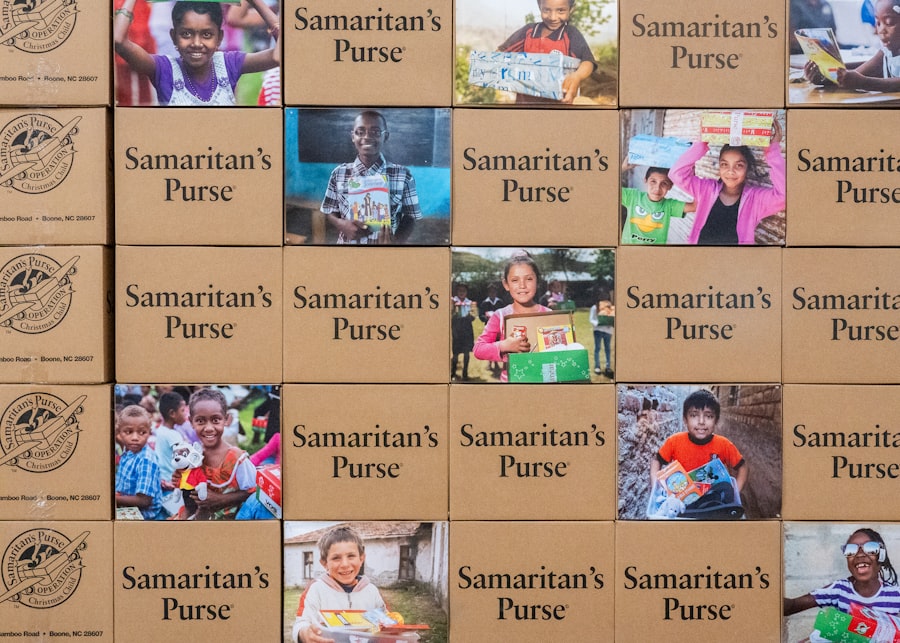
To ensure that charitable contributions have the greatest possible impact, donors should consider several strategies when making their gifts. One effective approach is to research matching gift programs offered by employers. Many companies encourage philanthropy among their employees by matching donations made to eligible charities, effectively doubling or even tripling the impact of an individual’s contribution.
This not only amplifies the financial support provided but also fosters a culture of giving within the workplace. Another way to maximize impact is by participating in donor-advised funds (DAFs). These funds allow individuals to make a charitable contribution and receive an immediate tax deduction while retaining the ability to recommend grants over time.
This flexibility enables donors to strategically allocate their funds based on changing needs or emerging causes without feeling rushed into immediate decisions. Additionally, engaging in collaborative giving—where groups of individuals pool their resources—can lead to larger donations that significantly enhance a charity’s capacity to effect change.
Getting Involved in Fundraising Events
Participating in fundraising events is an excellent way for individuals to support charities while also engaging with their communities in meaningful ways. Events such as charity runs, galas, auctions, and benefit concerts not only raise funds but also raise awareness about important issues facing society today. These gatherings often bring together like-minded individuals who share a passion for philanthropy, creating opportunities for networking and collaboration.
Moreover, fundraising events can be tailored to suit various interests and demographics, making them accessible to a wide audience. For instance, a local animal shelter might host a pet adoption day combined with a fundraising walkathon, appealing to both animal lovers and fitness enthusiasts alike. By attending or volunteering at these events, individuals can contribute directly while also enjoying a sense of camaraderie with others who are committed to making a difference.
Encouraging Others to Give Back
Encouraging others to give back is an essential component of building a culture of philanthropy within communities. Individuals can inspire friends and family members by sharing personal stories about why charitable giving matters to them and highlighting the positive impacts they have witnessed firsthand. Social media platforms provide an excellent avenue for spreading awareness about specific causes or fundraising campaigns, allowing individuals to reach a broader audience with their message.
Additionally, organizing group activities centered around charitable giving can foster collective action within communities. For example, hosting a community service day where friends come together to volunteer at a local nonprofit not only amplifies the impact of their efforts but also strengthens relationships among participants. By creating an environment where giving back is celebrated and encouraged, individuals can help cultivate a culture where philanthropy becomes an integral part of everyday life.
In conclusion, supporting charities is vital for addressing societal challenges and fostering community well-being. Through various methods of donation and active engagement in charitable activities, individuals can make meaningful contributions that resonate deeply within their communities while also experiencing personal fulfillment from their generosity.
