

Small business loans play a crucial role in the economic empowerment of veterans transitioning from military service to civilian life. After serving their country, many veterans possess unique skills and experiences that can translate into successful business ventures. However, the transition to entrepreneurship can be fraught with challenges, particularly when it comes to securing the necessary funding.
Small business loans provide veterans with the financial resources they need to launch and grow their enterprises, enabling them to leverage their military training and leadership skills in the business world. Access to capital is often cited as one of the most significant barriers to entry for aspiring entrepreneurs. For veterans, this challenge can be compounded by a lack of familiarity with the civilian financial landscape.

Many veterans may not have a credit history or may face difficulties in demonstrating their creditworthiness due to their military service. Small business loans specifically designed for veterans can bridge this gap, offering tailored solutions that recognize their unique circumstances and provide them with the financial backing needed to turn their business ideas into reality.
Key Takeaways
- Small business loans are crucial in helping veterans start and grow their businesses.
- These loans empower veterans by providing necessary capital and financial stability.
- Numerous resources and support programs are available specifically for veteran entrepreneurs.
- Understanding the application process is key to successfully obtaining a small business loan.
- Veteran-owned businesses significantly contribute to the economy and benefit from targeted loan support.
How Small Business Loans Can Empower Veterans

Small business loans empower veterans by providing them with the financial means to pursue their entrepreneurial dreams. These loans can be used for various purposes, including purchasing equipment, securing inventory, or covering operational expenses. By alleviating some of the financial burdens associated with starting a business, loans allow veterans to focus on what they do best: applying their skills and knowledge to create value in the marketplace.
Moreover, small business loans can foster a sense of independence and self-sufficiency among veterans. Many veterans seek to establish businesses not only as a means of income but also as a way to contribute positively to their communities. By obtaining a loan, they can create jobs, stimulate local economies, and provide services that address specific needs within their communities.
This empowerment extends beyond financial gain; it instills a sense of purpose and fulfillment that many veterans seek after leaving military service.
Resources and Support Available for Veteran Small Business Owners

Numerous resources and support systems are available to assist veteran small business owners in navigating the complexities of entrepreneurship. Organizations such as the U.S. Small Business Administration (SBA) offer specialized programs aimed at helping veterans access funding and develop their business acumen.
The SBA’s Office of Veterans Business Development provides resources tailored specifically for veterans, including training programs, mentorship opportunities, and access to capital. In addition to government resources, various nonprofit organizations focus on supporting veteran entrepreneurs. For instance, the Institute for Veterans and Military Families (IVMF) offers programs that provide education, training, and support for veterans looking to start or grow their businesses.
These organizations often host workshops, networking events, and online resources that equip veterans with the knowledge and skills necessary to succeed in the competitive business landscape.
Steps to Take When Applying for a Small Business Loan as a Veteran
Applying for a small business loan as a veteran involves several key steps that can enhance the likelihood of approval. First and foremost, veterans should conduct thorough research on the types of loans available to them. Understanding the differences between traditional bank loans, SBA loans, and alternative financing options is essential in determining which route aligns best with their business goals.
Once a veteran has identified potential loan options, they should prepare a comprehensive business plan. This plan should outline the business concept, target market, competitive analysis, marketing strategy, and financial projections. A well-structured business plan not only demonstrates the viability of the venture but also instills confidence in lenders regarding the borrower’s commitment and preparedness.
Additionally, veterans should gather necessary documentation such as personal identification, military discharge papers, tax returns, and any relevant financial statements to streamline the application process.
Success Stories of Veterans Who Have Used Small Business Loans
| Loan Program | Maximum Loan Amount | Interest Rate | Repayment Term | Eligibility | Typical Use |
|---|---|---|---|---|---|
| Veterans Advantage Loan | 150,000 | Variable, typically 6-9% | Up to 10 years | Veterans, active duty, and spouses | Working capital, equipment, inventory |
| SBA 7(a) Loan for Veterans | 5,000,000 | Fixed or variable, based on prime + margin | Up to 25 years (real estate), 10 years (equipment) | Veterans, service-disabled veterans | Business expansion, real estate, equipment |
| Military Reservist Economic Injury Disaster Loan (MREIDL) | 2,000,000 | Low interest, typically under 4% | Up to 30 years | Small businesses with reservist employees called to active duty | Working capital during military deployment |
| VetBiz Loan | 250,000 | Competitive rates | Varies by lender | Veteran-owned small businesses | Startup costs, equipment, inventory |
The success stories of veterans who have utilized small business loans serve as powerful testimonials to the impact of these financial resources. One notable example is that of John McCarthy, a former Army sergeant who used an SBA-backed loan to launch his landscaping company after returning from deployment. With the funding secured through the loan, McCarthy was able to purchase equipment and hire additional staff, allowing his business to flourish in a competitive market.
Today, his company not only provides jobs for fellow veterans but also contributes significantly to local community projects. Another inspiring story is that of Sarah Johnson, a Navy veteran who opened a bakery specializing in gluten-free products. After struggling to find funding through traditional channels due to her limited credit history, Johnson turned to a nonprofit organization that supports veteran entrepreneurs.
With their assistance, she secured a small business loan that enabled her to renovate her storefront and invest in high-quality ingredients. Her bakery has since gained a loyal customer base and has become a beloved fixture in her community, showcasing how targeted financial support can lead to remarkable entrepreneurial success.
Challenges Faced by Veteran Small Business Owners and How Loans Can Help
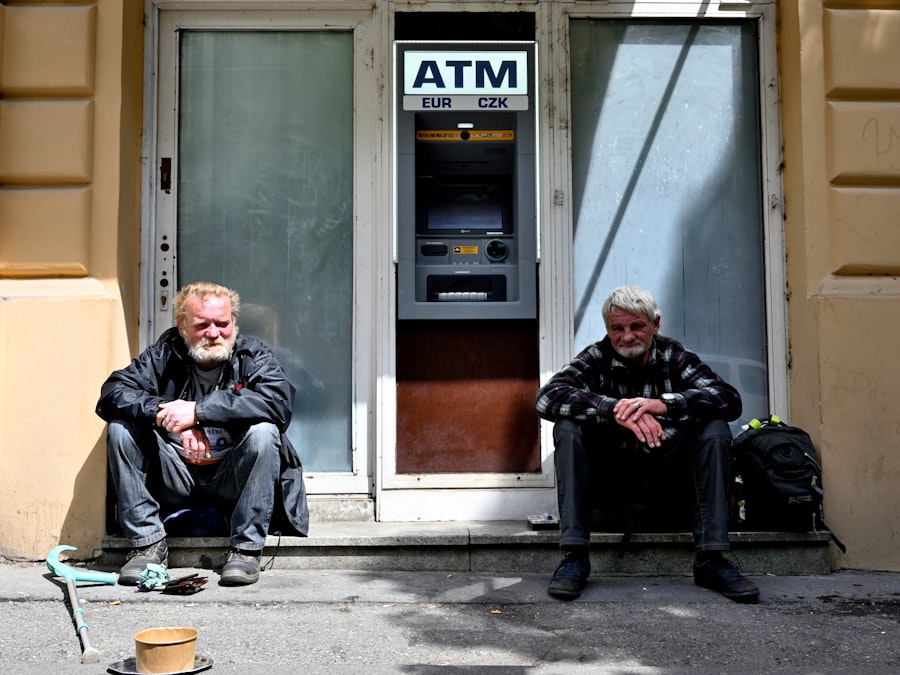
Veteran small business owners often encounter unique challenges that can hinder their entrepreneurial aspirations. One significant hurdle is the difficulty in accessing capital due to perceived risks associated with lending to veterans who may lack extensive business experience or credit history. Additionally, many veterans may struggle with mental health issues stemming from their service, which can impact their ability to navigate the stresses of running a business.
Small business loans can help mitigate these challenges by providing veterans with the necessary funds to establish their businesses without the immediate pressure of generating revenue. Furthermore, many loan programs designed for veterans come with favorable terms such as lower interest rates or deferred payment options, allowing them time to stabilize their operations before facing repayment obligations. This financial cushion can be instrumental in helping veteran entrepreneurs overcome initial hurdles and build sustainable businesses.
The Impact of Veteran-Owned Small Businesses on the Economy
Veteran-owned small businesses play a vital role in driving economic growth and innovation across various sectors. According to data from the U.S. Small Business Administration, there are over 2.5 million veteran-owned businesses in the United States, contributing approximately $1 trillion annually to the economy.
These businesses not only create jobs for veterans but also for civilians, fostering inclusive economic development within communities. Moreover, veteran entrepreneurs often bring unique perspectives and skills honed during their military service into their businesses. This diversity of thought can lead to innovative solutions and products that address unmet needs in the marketplace.
As veteran-owned businesses continue to thrive, they contribute significantly to local economies by stimulating job creation and fostering community engagement through various initiatives and partnerships.
How to Support and Encourage Veteran Entrepreneurship through Small Business Loans
Supporting veteran entrepreneurship requires a multifaceted approach that includes increasing awareness of available resources and advocating for policies that facilitate access to capital. Financial institutions can play a pivotal role by developing loan products specifically tailored for veterans that consider their unique circumstances and challenges. By offering flexible terms and streamlined application processes, lenders can help remove barriers that often prevent veterans from securing funding.
Community organizations and local governments can also contribute by hosting workshops and networking events aimed at connecting veteran entrepreneurs with potential investors and mentors. These initiatives not only provide valuable information but also foster a sense of camaraderie among veteran business owners who can share experiences and insights. Additionally, promoting success stories through various media channels can inspire other veterans to pursue entrepreneurship while highlighting the importance of small business loans in achieving those dreams.
In conclusion, small business loans are an essential tool for empowering veterans as they transition into civilian life and seek to establish successful enterprises. By providing access to capital and supporting resources tailored specifically for veterans, we can help unlock their potential as entrepreneurs while simultaneously contributing to economic growth and community development.
